
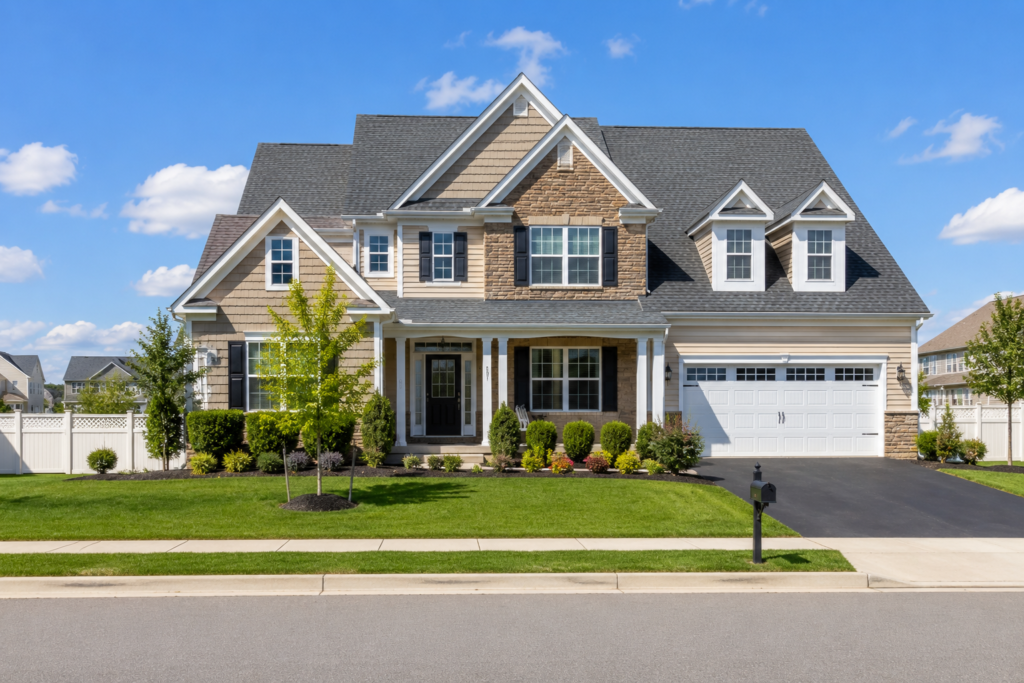
Most homeowners don’t think about their roof until something goes wrong — a stain spreading across the ceiling, a missing shingle after a windstorm, or a spike in the energy bill that makes no sense. But your roof is doing more work than almost any other part of your house. It’s your first line of defense against rain, hail, wind, and sun, and when it’s neglected, small problems turn into expensive ones fast.
Whether you’re dealing with an aging roof, planning ahead for a roof replacement, or just want to understand your options, this guide breaks down the roofing improvement ideas, materials, and maintenance habits that actually make a difference — written for real homeowners, not roofing textbooks.
Signs Your Roof Needs Attention
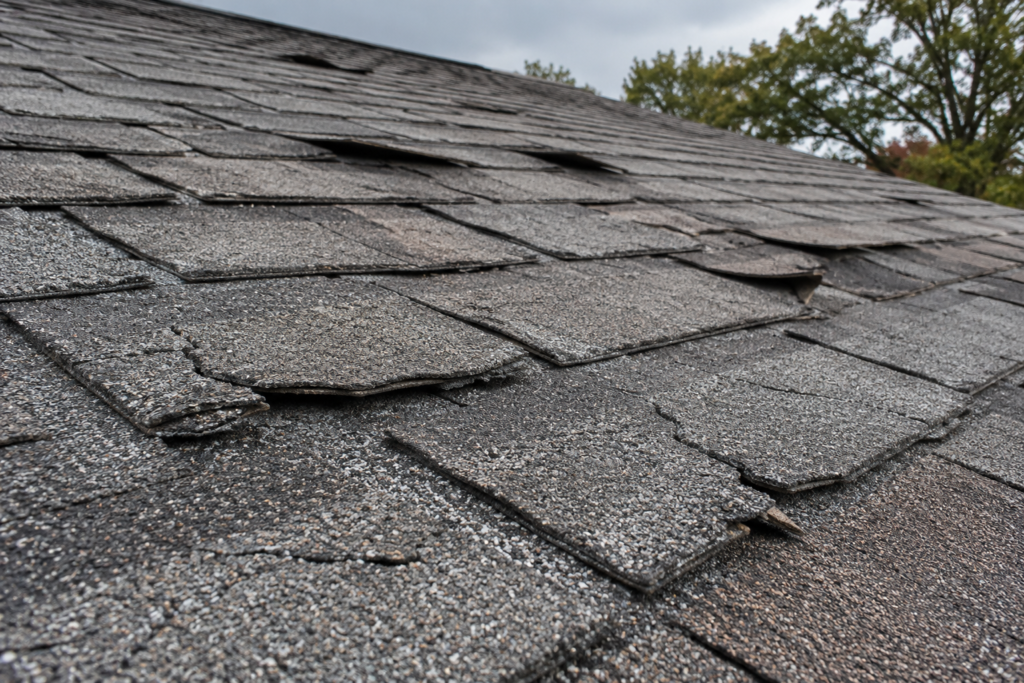
Before jumping into upgrades, it helps to know what you’re working with. A roof doesn’t usually fail all at once — it sends warning signs first, and catching them early can be the difference between a simple roof repair and a full roof replacement.
1. Curling, Cracked, or Missing Shingles
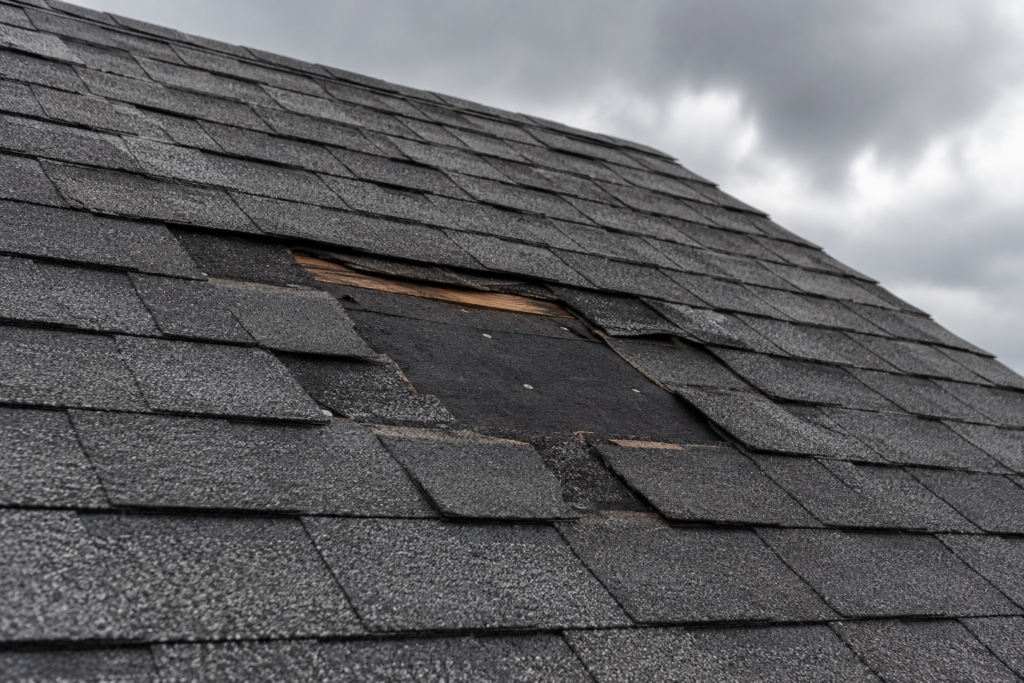
Asphalt shingles that curl at the edges or crack in the middle are usually past their prime. If you spot bare patches after a storm, that’s a sign wind has already started pulling your roof apart, shingle by shingle.
2. Granules Collecting in Gutters
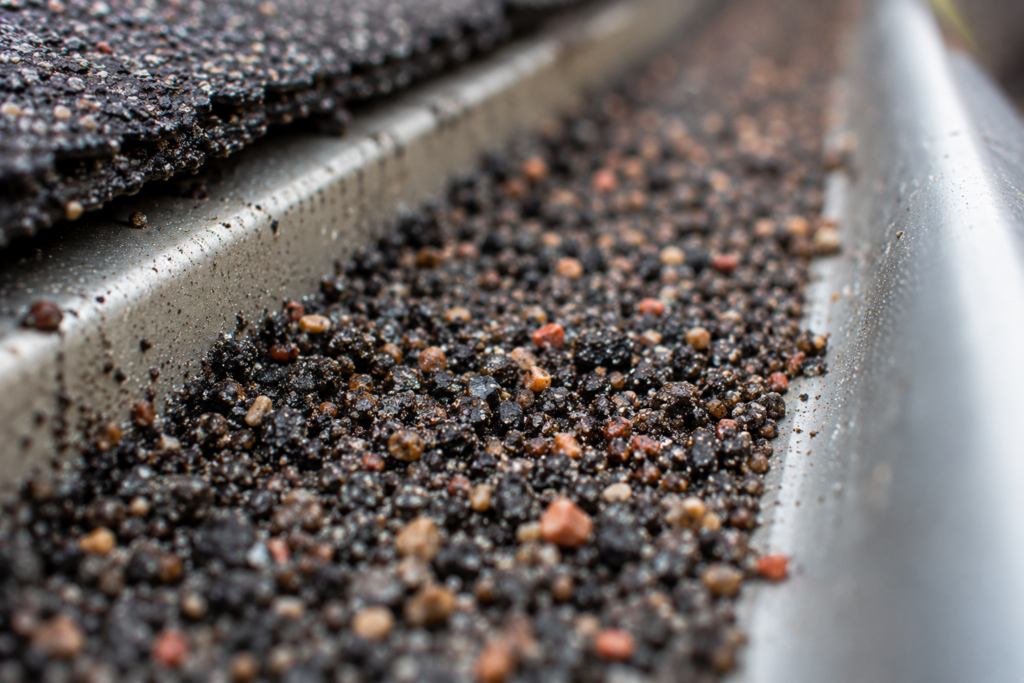
Those small, sand-like granules in your gutters aren’t just dirt — they’re the protective coating wearing off your shingles. Heavy granule loss usually means your roof is nearing the end of its lifespan.
3. Water Stains or Daylight in the Attic
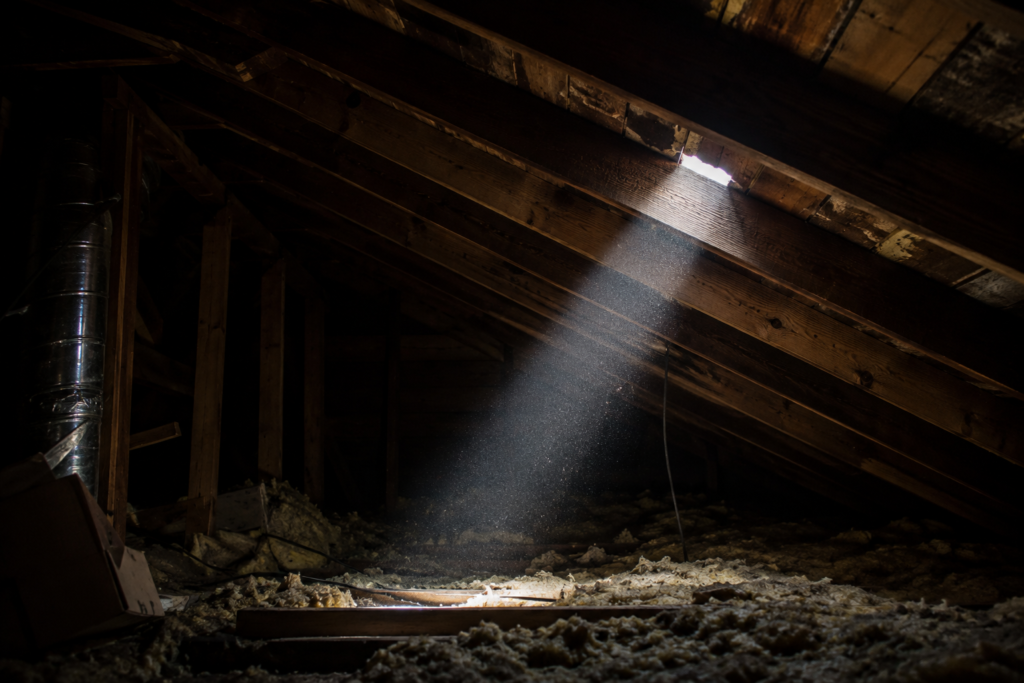
Brown ceiling stains, musty attic smells, or actual daylight peeking through the roof deck are all signs of a leak that needs immediate attention — waiting almost always means more expensive repairs down the road, including mold and structural damage.
Choosing the Right Roofing Material for Your Home
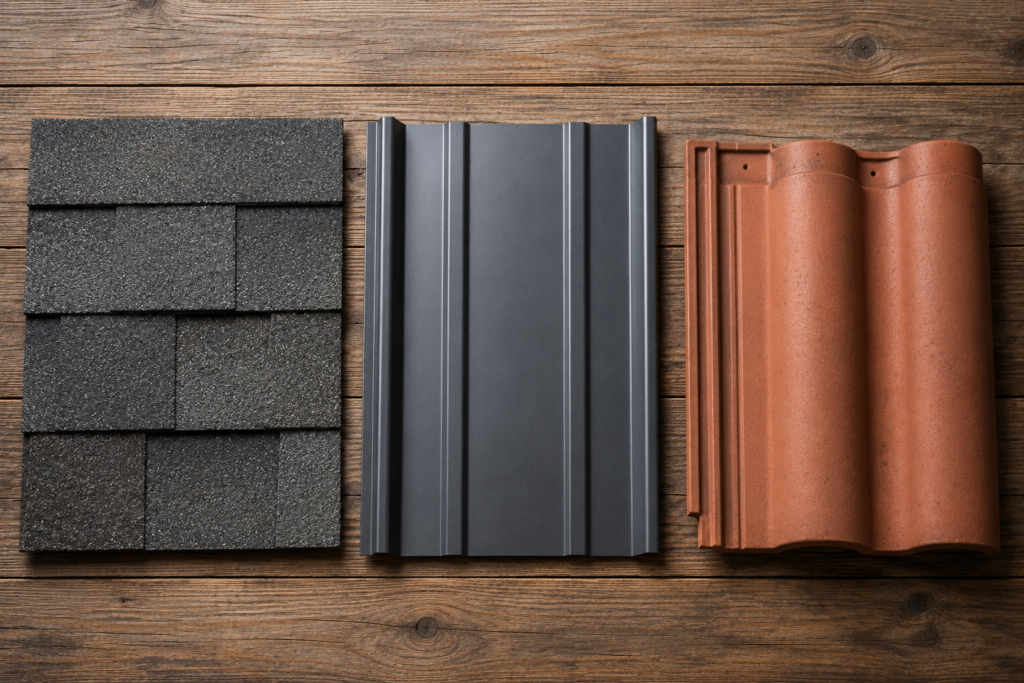
One of the biggest decisions in any roof replacement is the material. Each option comes with its own balance of cost, durability, and curb appeal.
4. Asphalt Shingles
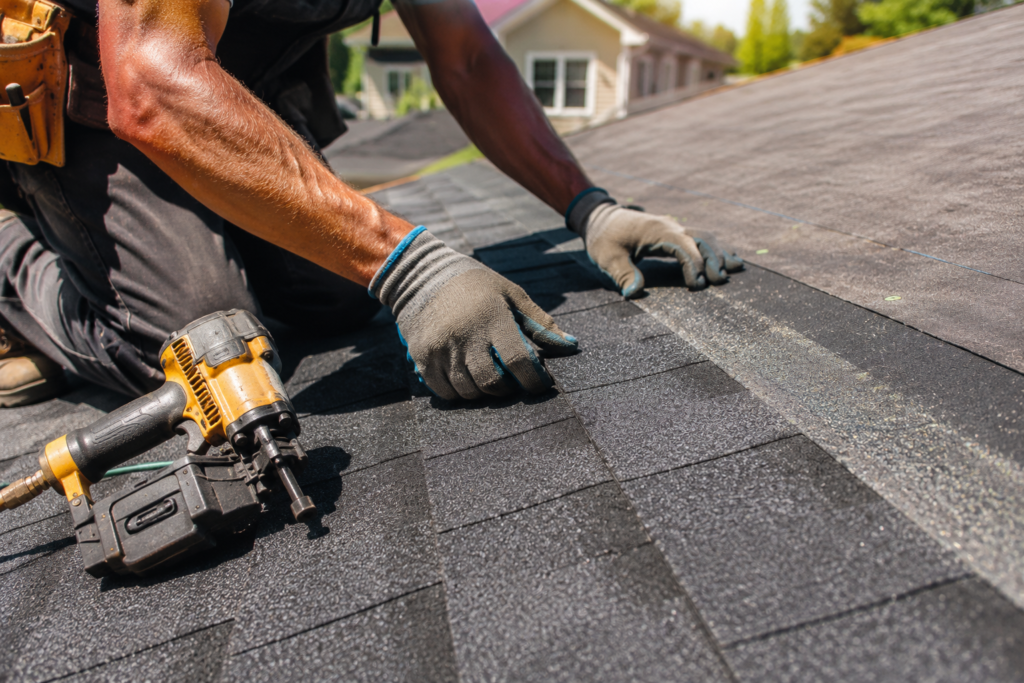
Still the most popular roofing material in the U.S. thanks to their affordability and easy installation. Modern architectural shingles last 20 to 30 years and come in dozens of colors to match almost any home style.
5. Metal Roofing
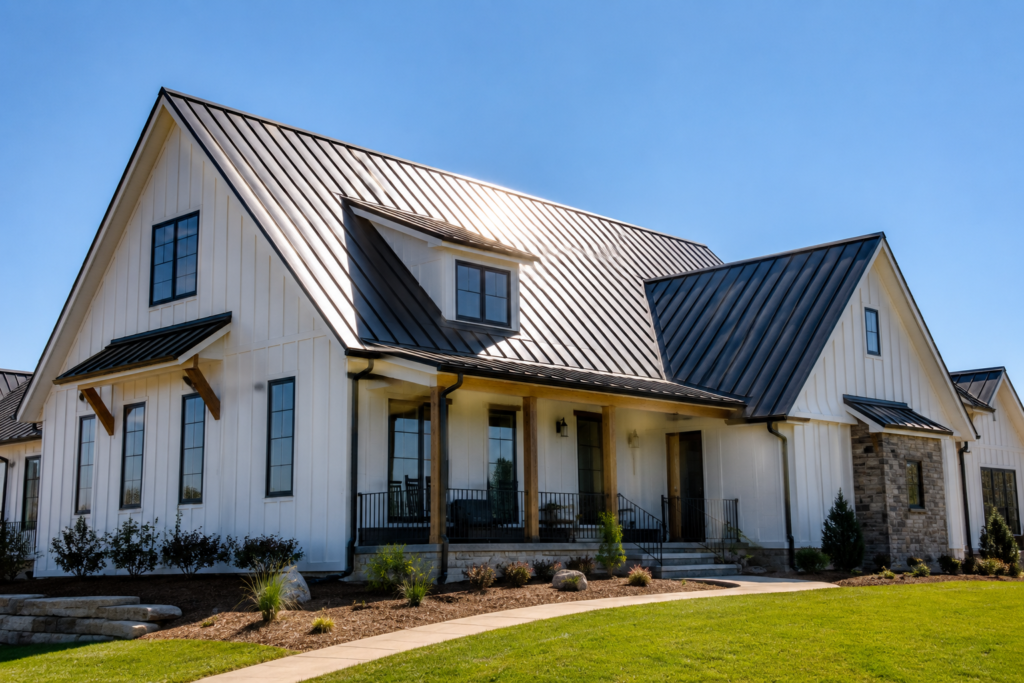
Metal roofing has surged in popularity for good reason — it can last 40 to 70 years, reflects heat to lower cooling costs, and holds up well against hail and high winds. The higher upfront cost is often offset by decades of lower maintenance.
6. Tile and Slate Roofing
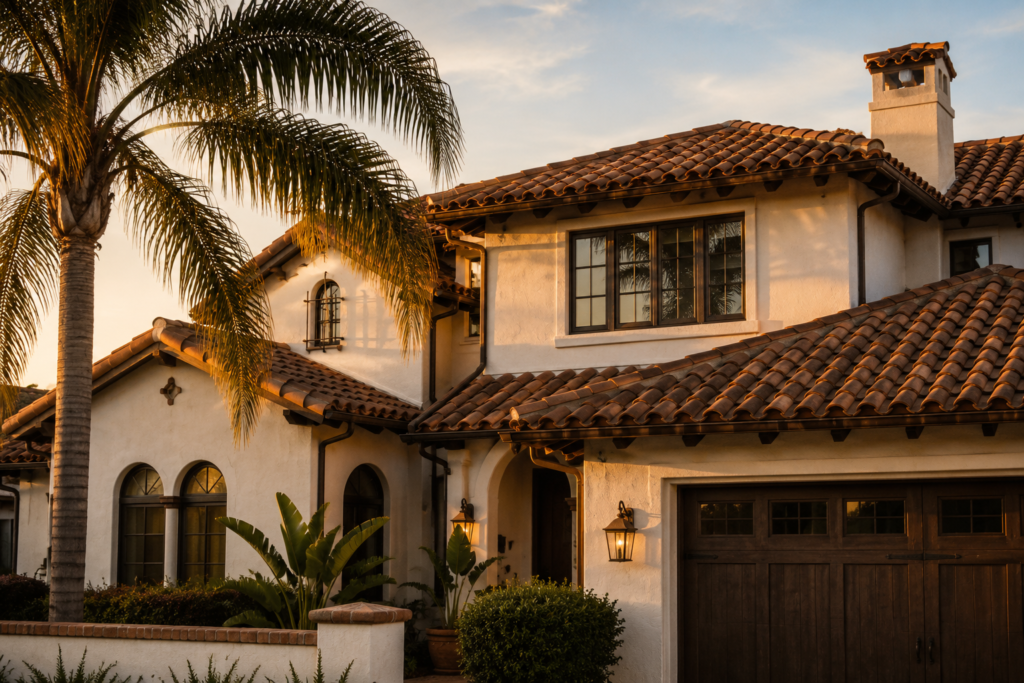
Clay tile and natural slate offer a premium look and can last well over 50 years, though they’re heavier and typically require reinforced roof framing. These materials are popular in warmer climates and historic homes where long-term durability matters.
Energy-Efficient Roofing Upgrades
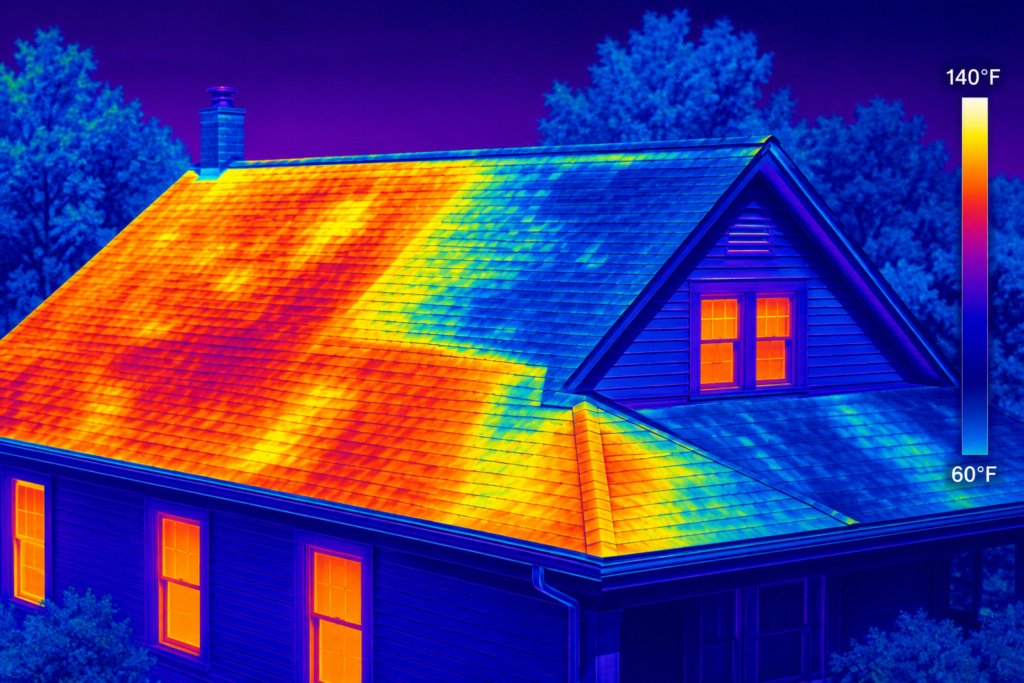
“Energy efficient roofing” is one of the fastest-growing searches among U.S. homeowners, and it’s easy to see why — a roof upgrade can noticeably cut cooling and heating costs.
7. Install a Cool Roof Coating
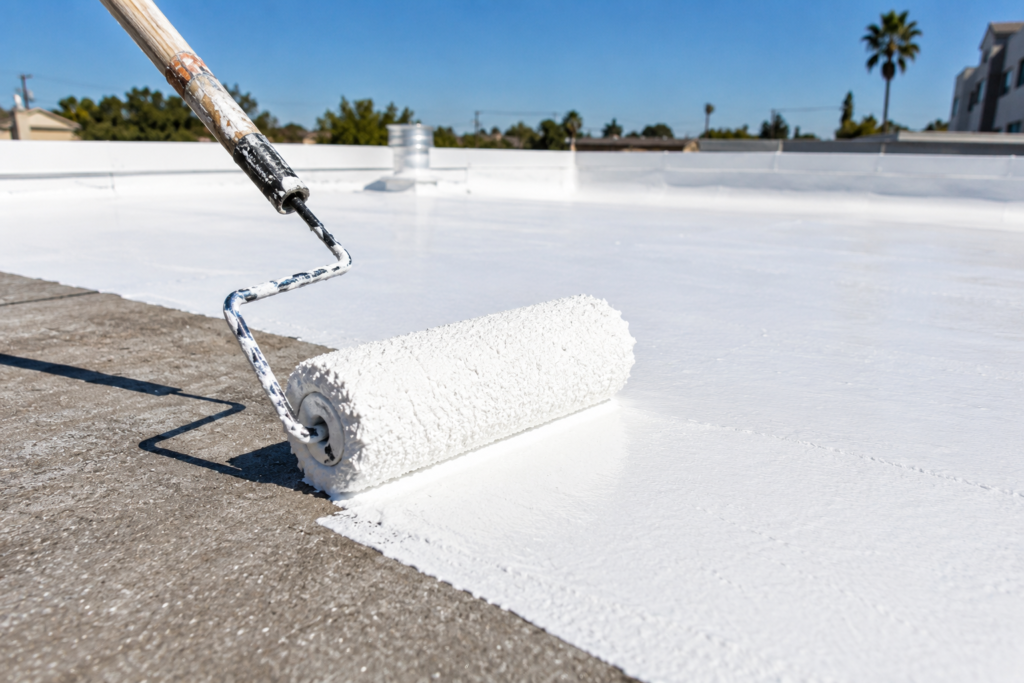
Reflective roof coatings bounce sunlight away instead of absorbing it, which can lower attic temperatures significantly during summer and reduce strain on your air conditioning system.
8. Upgrade Attic Insulation and Ventilation
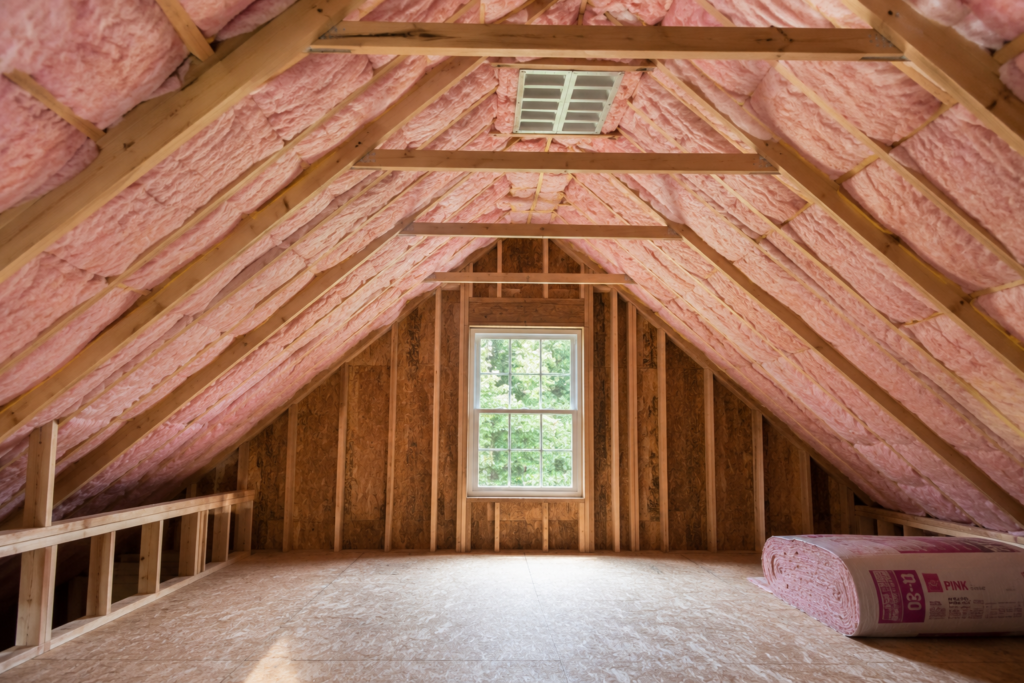
A roof doesn’t work alone — proper attic insulation and ventilation prevent heat buildup in summer and ice dams in winter, both of which can shorten your roof’s lifespan if ignored.
9. Consider Solar-Ready Roofing
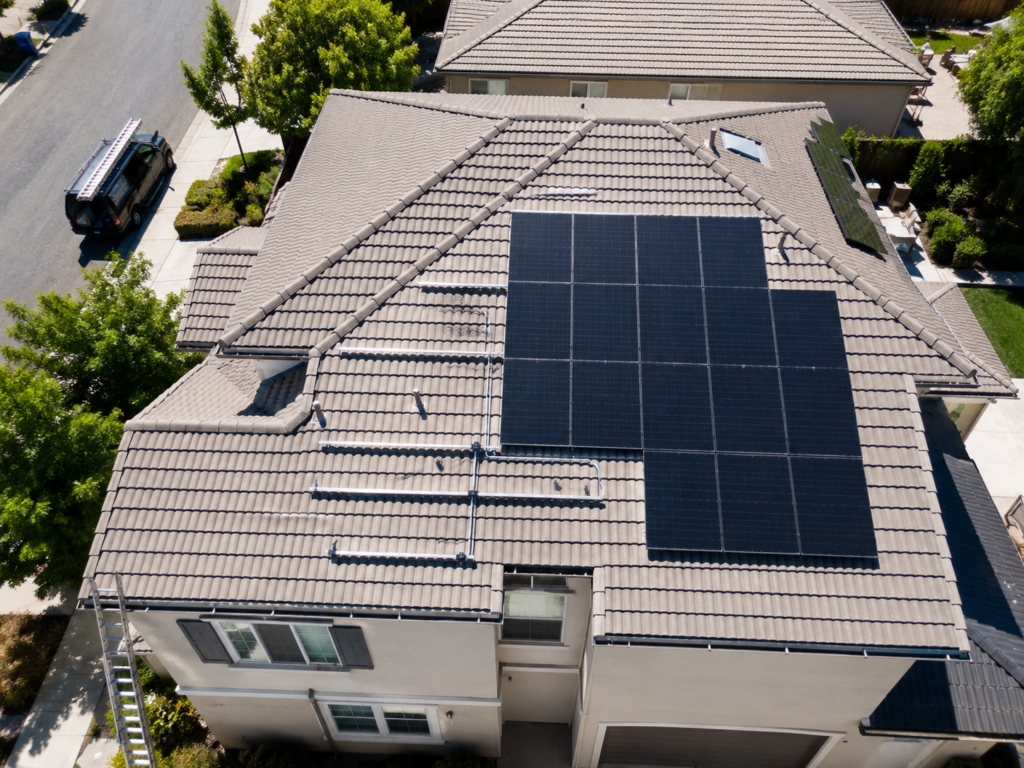
If solar panels are on your radar, planning your roof replacement with solar-ready decking and wiring pathways now can save significant time and money when you’re ready to install panels later.
Roof Maintenance Tips That Extend Its Lifespan
You don’t need to wait for a full replacement to protect your roof. A few consistent habits go a long way:
- Schedule a professional roof inspection at least once a year, and always after a major storm
- Clean gutters and downspouts regularly so water drains away instead of pooling near the roofline
- Trim overhanging tree branches that can scrape shingles or drop debris during storms
- Remove moss and algae growth promptly, since it holds moisture against the roofing material
- Check attic ventilation each season to prevent trapped heat and moisture buildup
These small habits are the cheapest form of roofing improvement there is, and they can add years to your roof’s life without any major investment.
What to Do After Storm Damage to Your Roof
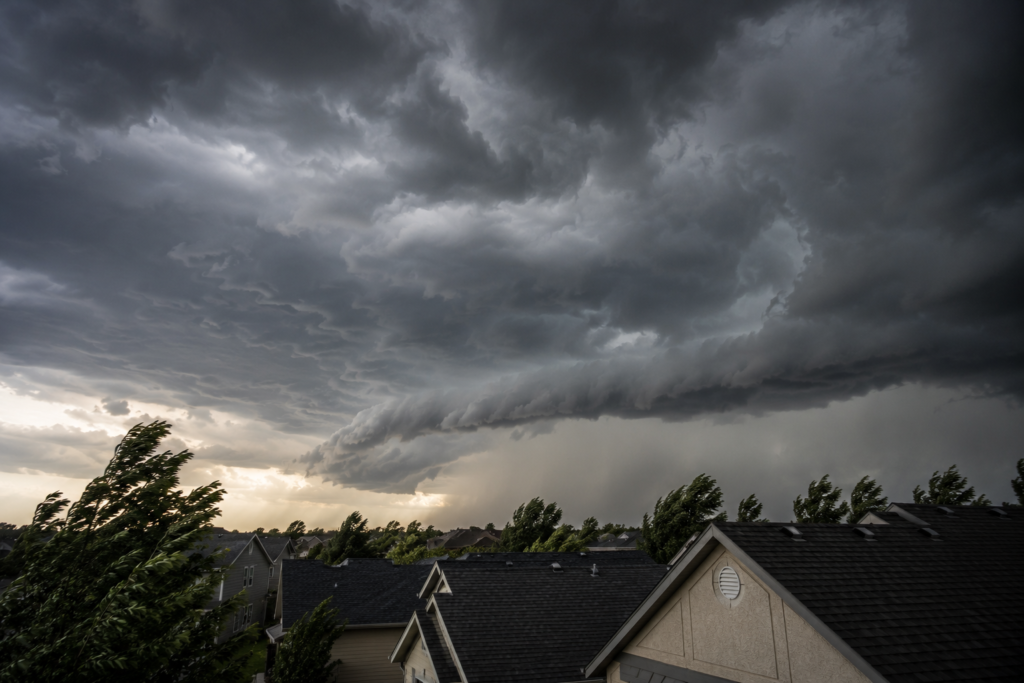
Storm damage roof repair is one of the most common reasons homeowners search for a roofer in a hurry, and how you respond in the first 48 hours can affect both your safety and your insurance claim.
10. Document the Damage Immediately
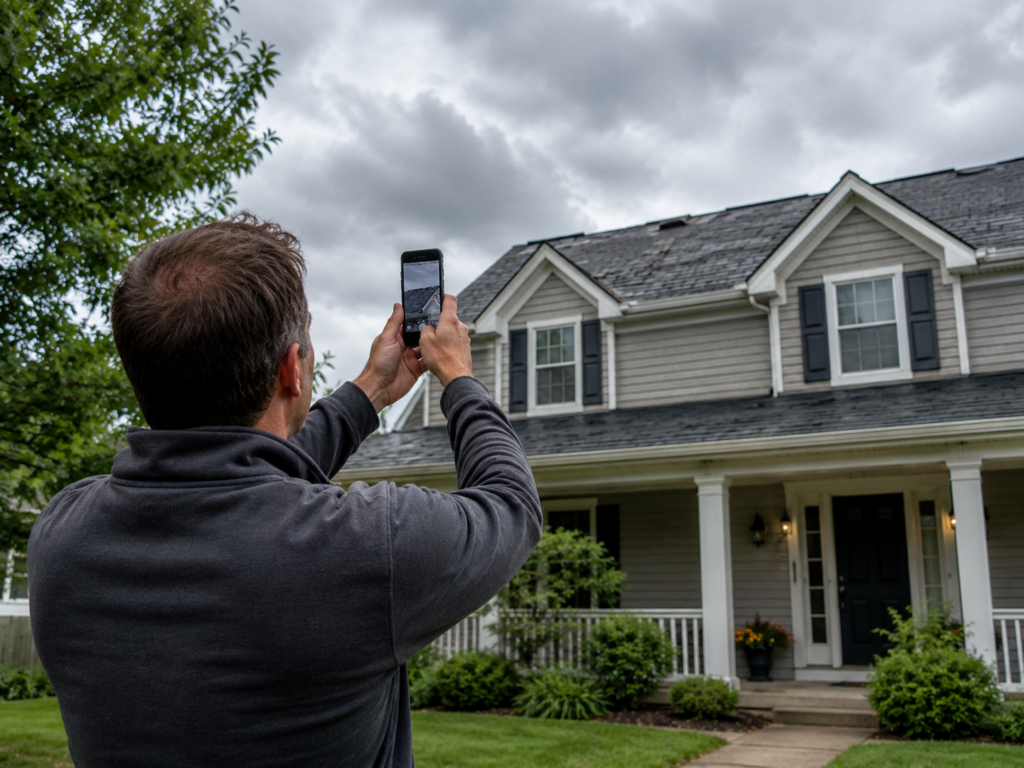
Take clear photos of missing shingles, dented gutters, or visible leaks from the ground — never climb onto a damaged roof yourself. These photos become important evidence when filing an insurance claim.
11. Get a Professional Inspection Before Filing a Claim
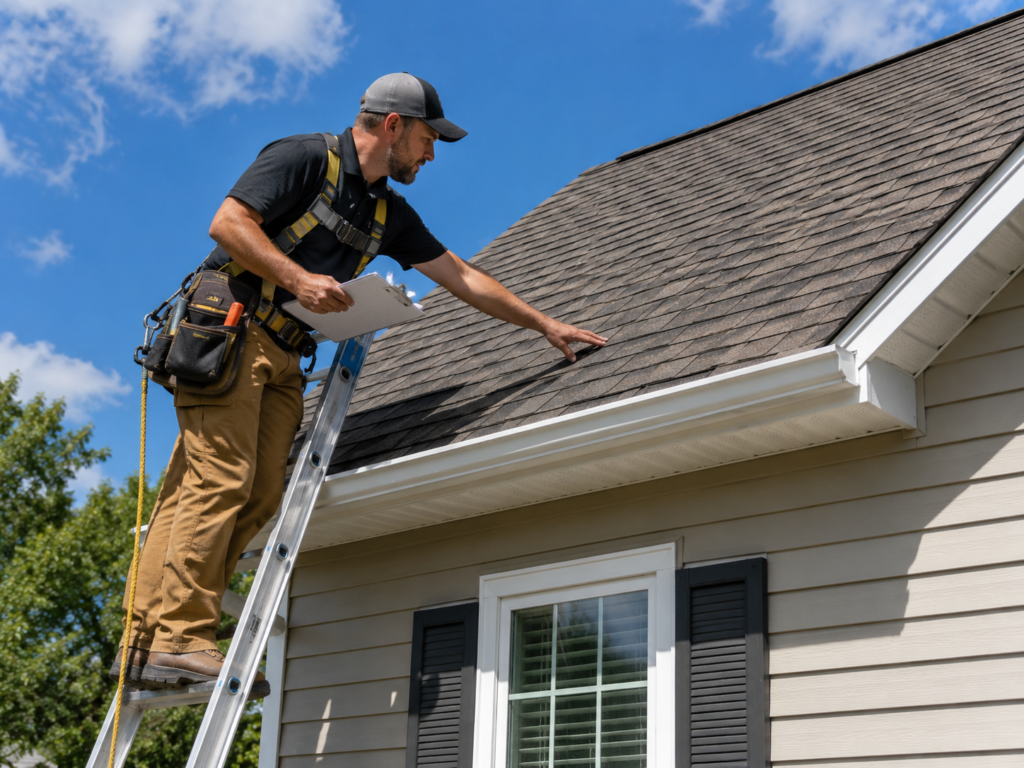
A licensed roofing contractor can identify damage that isn’t visible from the ground, such as loosened flashing or hail bruising on shingles, which strengthens your claim and helps avoid disputes with the insurance adjuster.
12. Use a Tarp for Temporary Protection
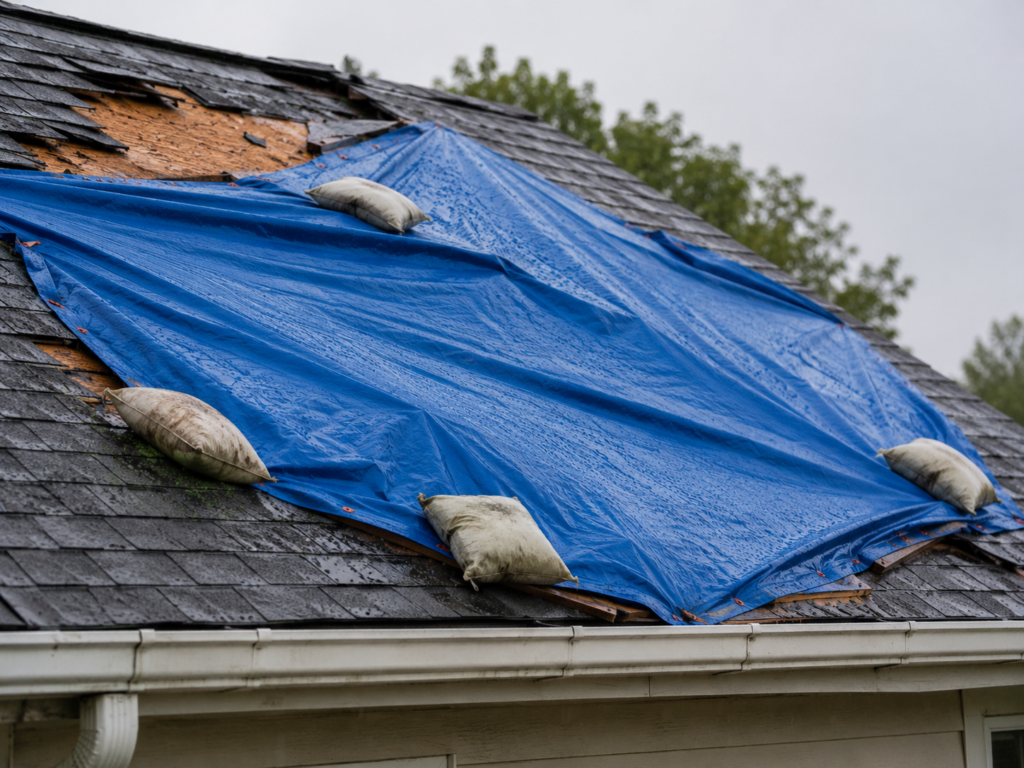
If a leak is active, a temporary tarp can prevent water from reaching your attic and interior walls while you wait for repairs. Most roofing companies offer emergency tarping services for exactly this reason.
How Much Does a Roofing Upgrade Cost?
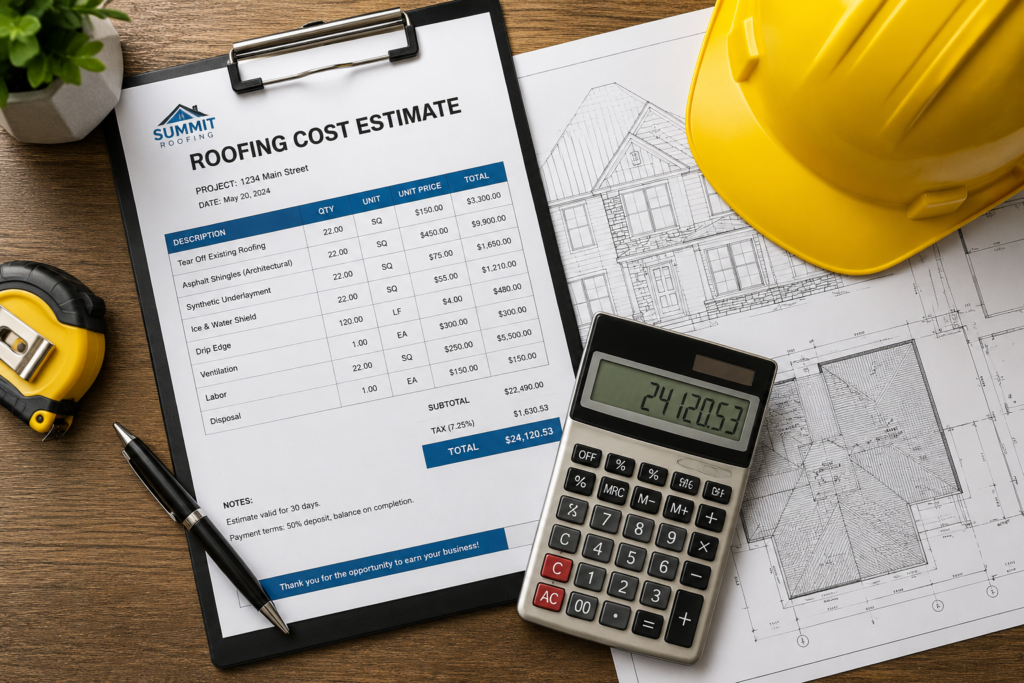
Roofing costs vary widely depending on material, roof size, and labor rates in your area. Asphalt shingle replacement tends to be the most budget-friendly option, while metal, tile, and slate sit at the higher end due to material and installation costs. Many roofing companies also offer financing plans, and if your roof damage was caused by a storm, homeowners insurance may cover part or all of the replacement — it’s worth requesting a professional inspection and documenting the damage before filing a claim.
Frequently Asked Questions About Roofing Improvement
How long does a roof typically last?
It depends on the material. Asphalt shingles usually last 20 to 30 years, while metal roofing can last 40 to 70 years and tile or slate can exceed 50 years with proper maintenance. Climate, ventilation, and installation quality all affect these numbers.
Should I repair or replace my roof?
If damage is limited to a small area and your roof is under 15 years old, repair is usually the more cost-effective choice. Widespread damage, a roof nearing the end of its expected lifespan, or repeated leaks are strong signs that full replacement will save you money in the long run.
How often should I get a roof inspection?
Most roofing professionals recommend an inspection once a year, plus an extra check after any major hailstorm, hurricane, or windstorm in your area. Catching minor damage early is almost always cheaper than waiting for it to worsen.
Final Thoughts on Roofing Improvement
Your roof isn’t just a design feature — it’s the system protecting everything and everyone underneath it. Whether you’re patching a small leak, upgrading to energy-efficient materials, or planning a full roof replacement, staying proactive is always cheaper than waiting for a crisis.
Start with a professional inspection, understand your material options, and build a simple maintenance routine. A well-maintained roof doesn’t just protect your home — it protects your budget too.