
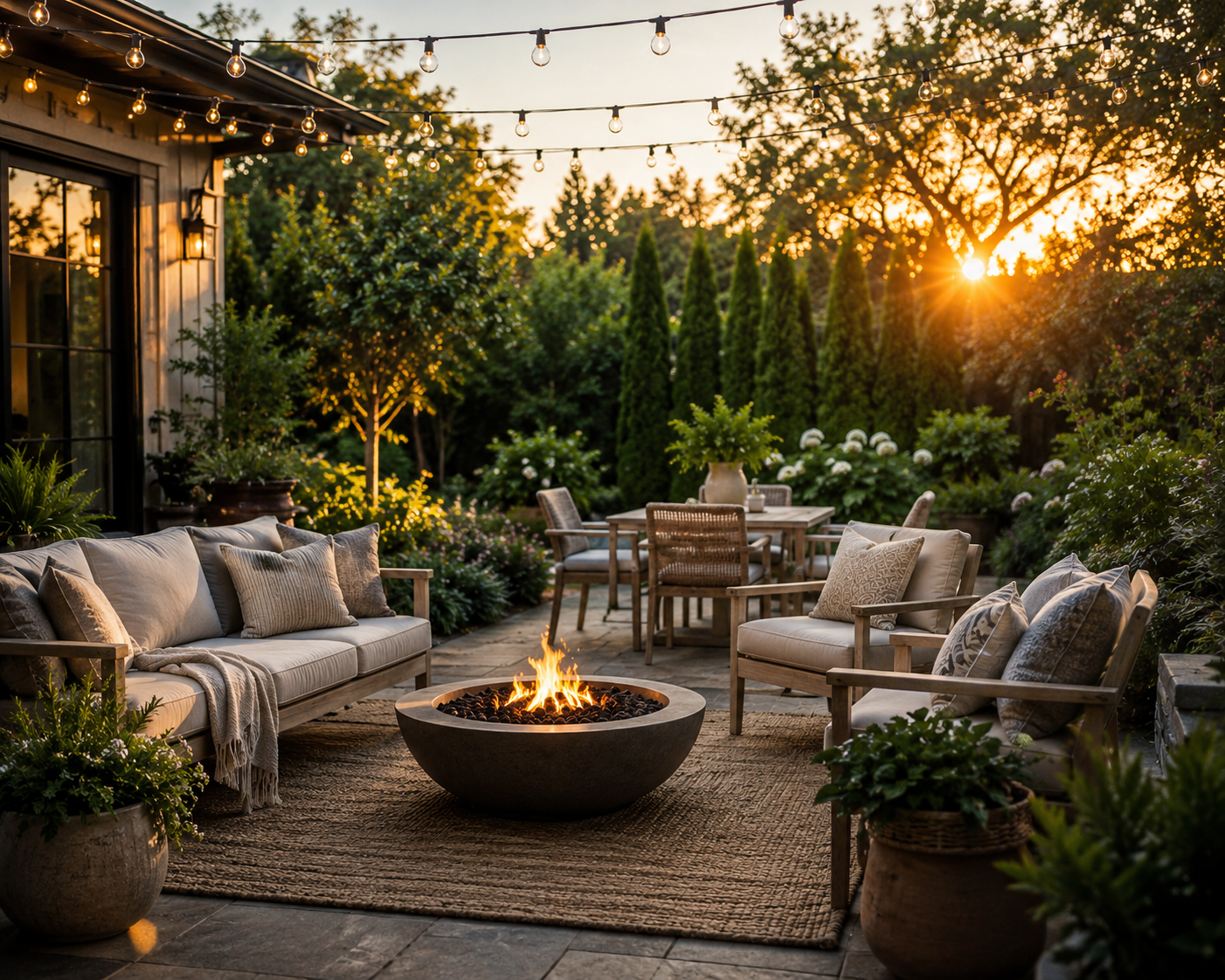
Why You Might Want Privacy Without a Traditional Fence
Before jumping into the ideas, it helps to understand why so many homeowners are skipping the fence altogether:
- Cost — A full privacy fence can run anywhere from a few thousand dollars to well over ten thousand, depending on materials and yard size.
- HOA and city restrictions — Many neighborhoods limit fence height, style, or placement.
- Renters can’t build permanent structures — If you’re renting, a fence usually isn’t even an option.
- Aesthetics — Not everyone wants a solid wood or vinyl wall closing off their yard. Plants, screens, and structures often look softer and more natural.
Once you look at it this way, it makes sense that fence alternatives have become one of the most searched topics in backyard landscaping and outdoor living circles.
1. Plant a Living Privacy Screen
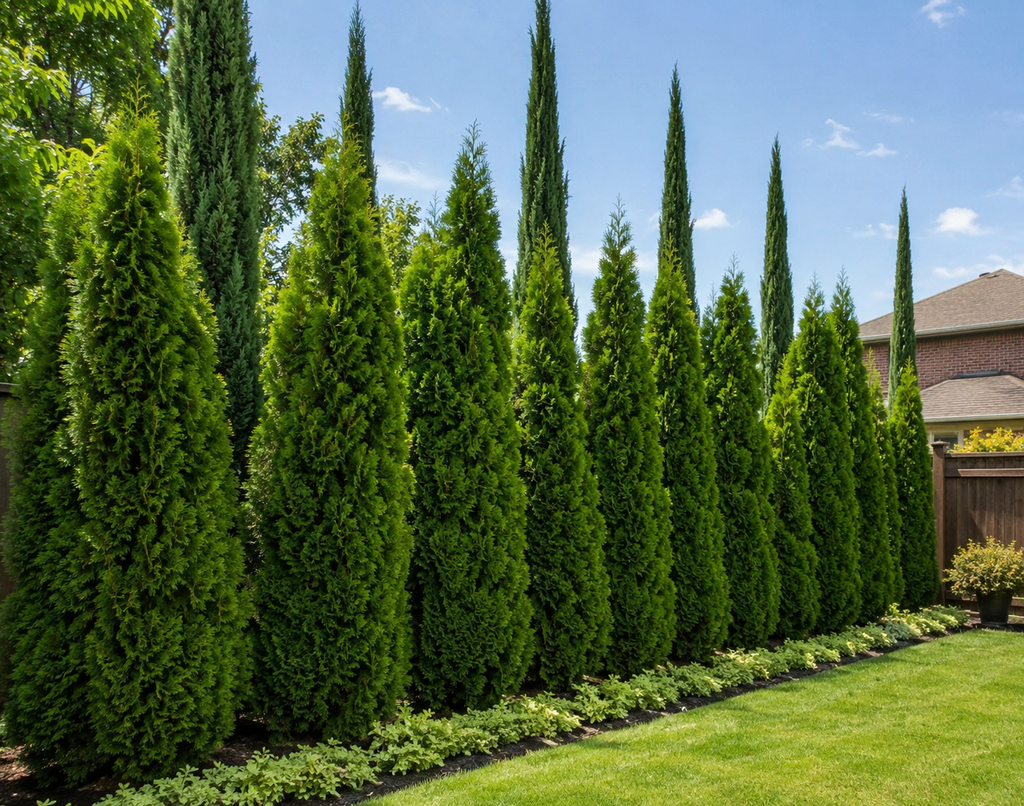
Nothing beats a green, natural privacy screen. Trees, shrubs, and tall plants grow into a living wall that blocks sightlines while also adding shade, curb appeal, and even better air quality to your yard.
Best Fast-Growing Privacy Plants
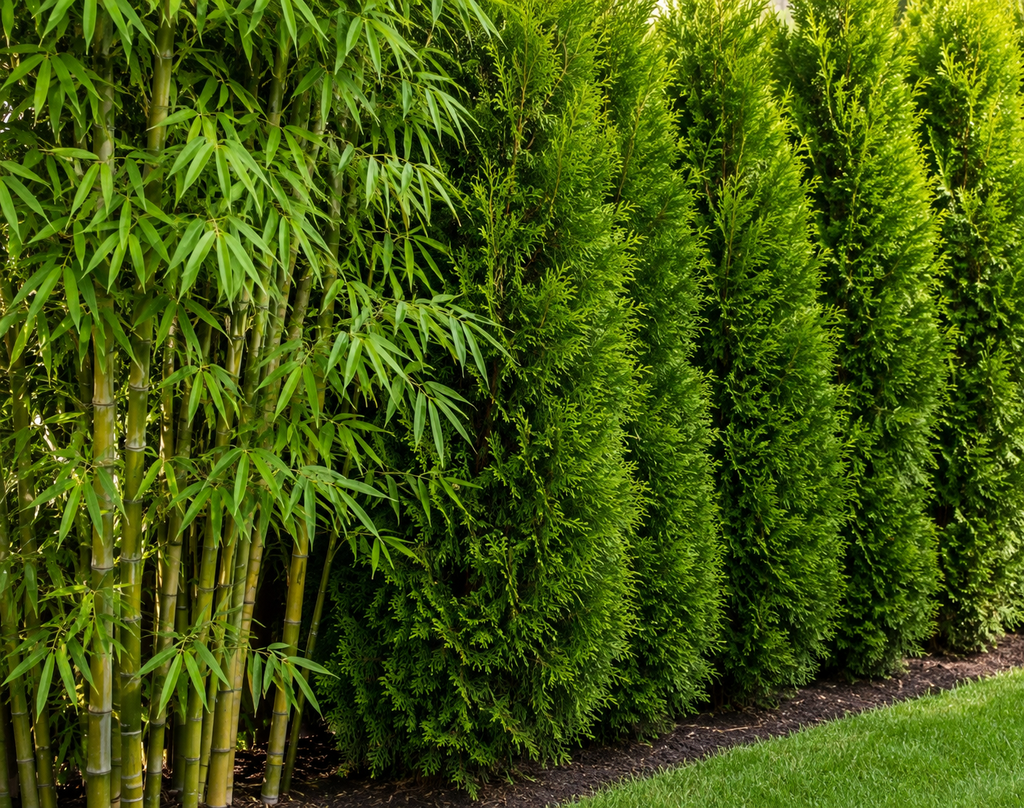
If you want results without waiting a decade, look for fast growers:
- Arborvitae (Green Giant) — Grows up to 3 feet a year and forms a dense, year-round screen.
- Leyland Cypress — One of the fastest-growing evergreens available.
- Skip Laurel — A dense, leafy shrub that handles trimming well.
- Bamboo (clumping, not running) — Grows quickly and creates an instant tropical feel, but stick to clumping varieties so it doesn’t take over your whole yard.
Tall Grasses and Layered Planting
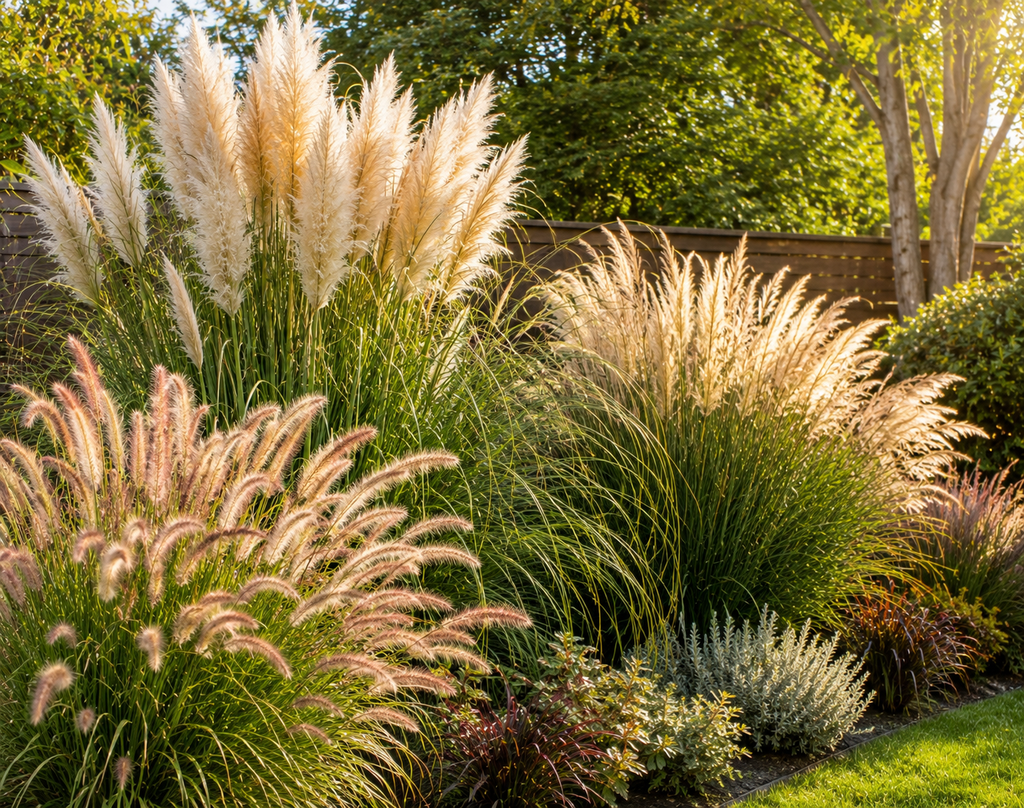
If trees feel like too much commitment, ornamental grasses like pampas grass, feather reed grass, or miscanthus can create a soft, swaying privacy barrier in just one growing season. Layering grasses in front of shrubs also adds depth and texture, so your privacy screen looks intentional rather than like an afterthought.
2. Use Trellises and Climbing Vines

A trellis with climbing plants is one of the most affordable backyard privacy ideas out there. You can install a simple wood or metal trellis along a patio, deck railing, or property line and let vines do the rest of the work.
Good climbing options include:
- Clematis
- Climbing hydrangea
- Star jasmine (great for fragrance too)
- Trumpet vine (fast-growing, though it needs regular pruning)
A trellis takes up very little ground space, which makes it perfect for small yards, side patios, or narrow strips between homes.
3. Install Outdoor Privacy Screens or Panels

If you want something faster than plants but still don’t want a full fence, outdoor privacy panels are a great middle ground. These are freestanding or wall-mounted screens made from materials like:
- Bamboo or reed fencing rolls
- Wood-look composite panels
- Metal laser-cut decorative screens
- Woven willow or wicker panels
They’re easy to install, often don’t require digging post holes, and can be moved if you rearrange your outdoor space later. Many are designed specifically for patios, decks, and small backyard corners where a permanent fence isn’t practical.
4. Try Tall Planters and Raised Garden Beds

Tall planter boxes filled with shrubs, grasses, or small trees can double as a privacy barrier and a design feature. Line a few large planters along the edge of your patio or deck, and you instantly create a green wall without touching the ground or needing a permit.
This option works especially well for:
- Apartment patios and balconies
- Rental homes
- Yards where digging isn’t allowed or practical
Bonus tip: use planters on wheels so you can adjust your privacy setup as needed throughout the seasons.
5. Add a Pergola With Curtains or Slats

A pergola does more than provide shade — it can be dressed up to create real privacy too. Adding slatted side panels, lattice inserts, or outdoor curtains to a pergola transforms it from an open structure into a cozy, semi-enclosed retreat.
Outdoor curtains, in particular, are having a moment in backyard design right now. They’re affordable, easy to hang, and let you open or close off your space depending on the time of day or occasion.
6. Use Outdoor Curtains for Instant Privacy

Speaking of curtains — you don’t need a pergola to use them. Outdoor curtains can be hung from a simple metal rod between two posts, along a covered patio, or even from tree branches. They soften harsh sightlines, block wind, and give your yard a resort-like feel.
Look for outdoor-rated fabric (usually polyester or solution-dyed acrylic) so they hold up against sun and rain without fading or mildewing.
7. Build a Small Privacy Wall With Reclaimed Wood or Lattice
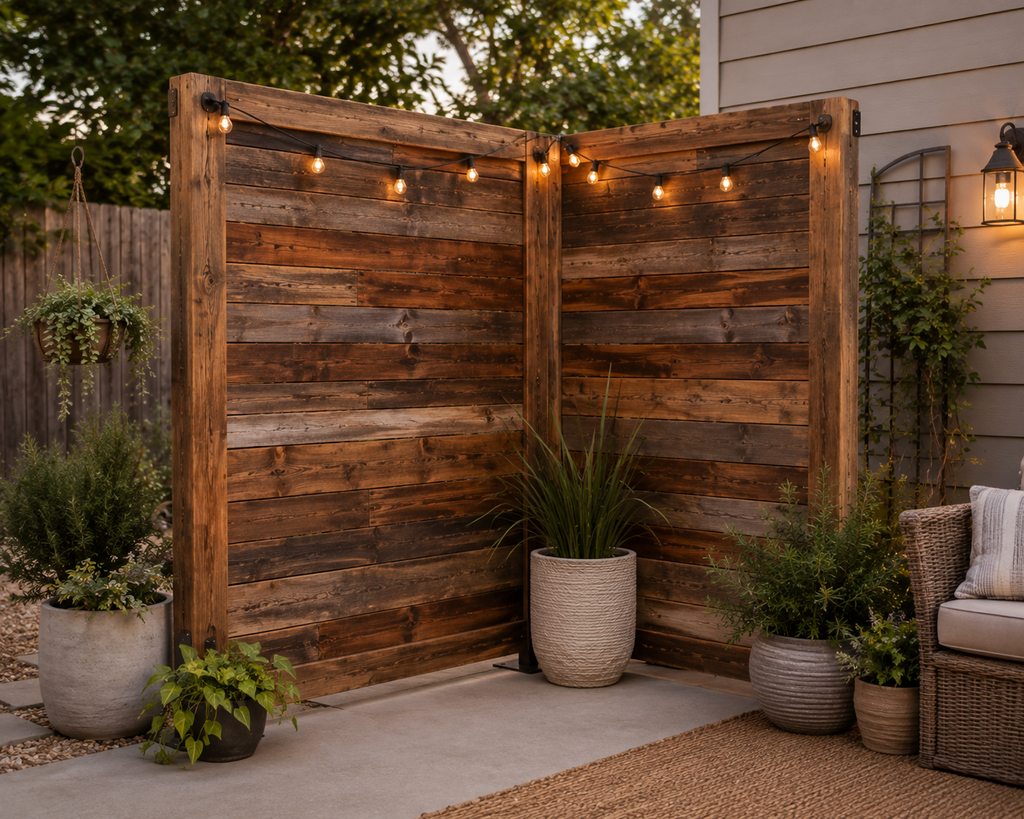
If a full fence feels excessive but you want a partial, freestanding barrier, consider building a small privacy wall. Unlike a fence that runs the entire property line, a privacy wall only needs to cover the specific sightline you’re trying to block — like your neighbor’s second-story window or a section of your patio.
Materials that work well:
- Reclaimed wood panels
- Decorative lattice
- Corrugated metal with a wood frame
This is often a weekend DIY project and can be done for a fraction of the cost of full fencing.
8. Create Levels With Landscaping (Berms and Raised Patios)
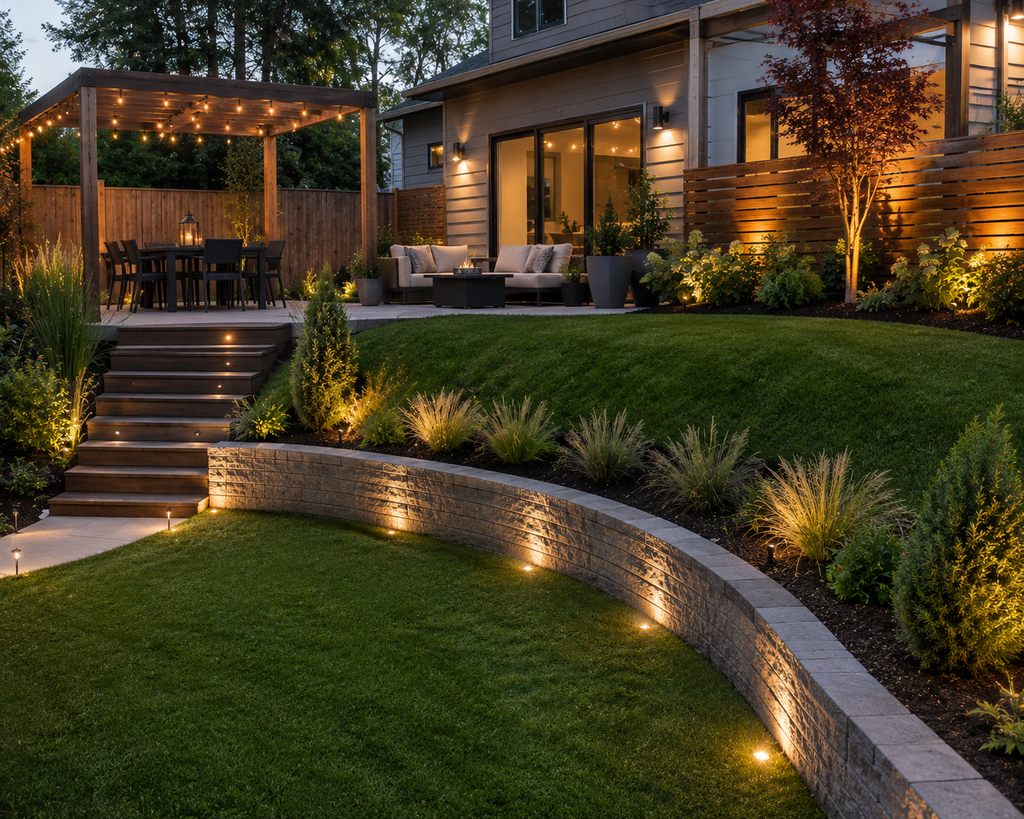
Sometimes privacy isn’t about blocking a view head-on — it’s about changing the angle. Landscaping features like earth berms (raised mounds of soil, often planted with grass or shrubs) or a slightly raised patio can shift sightlines just enough to block direct views from neighboring windows or sidewalks.
This method blends privacy and landscaping design together, so it never feels like you’re “hiding” — it just feels like good yard design.
9. Position Furniture and Outdoor Rugs Strategically
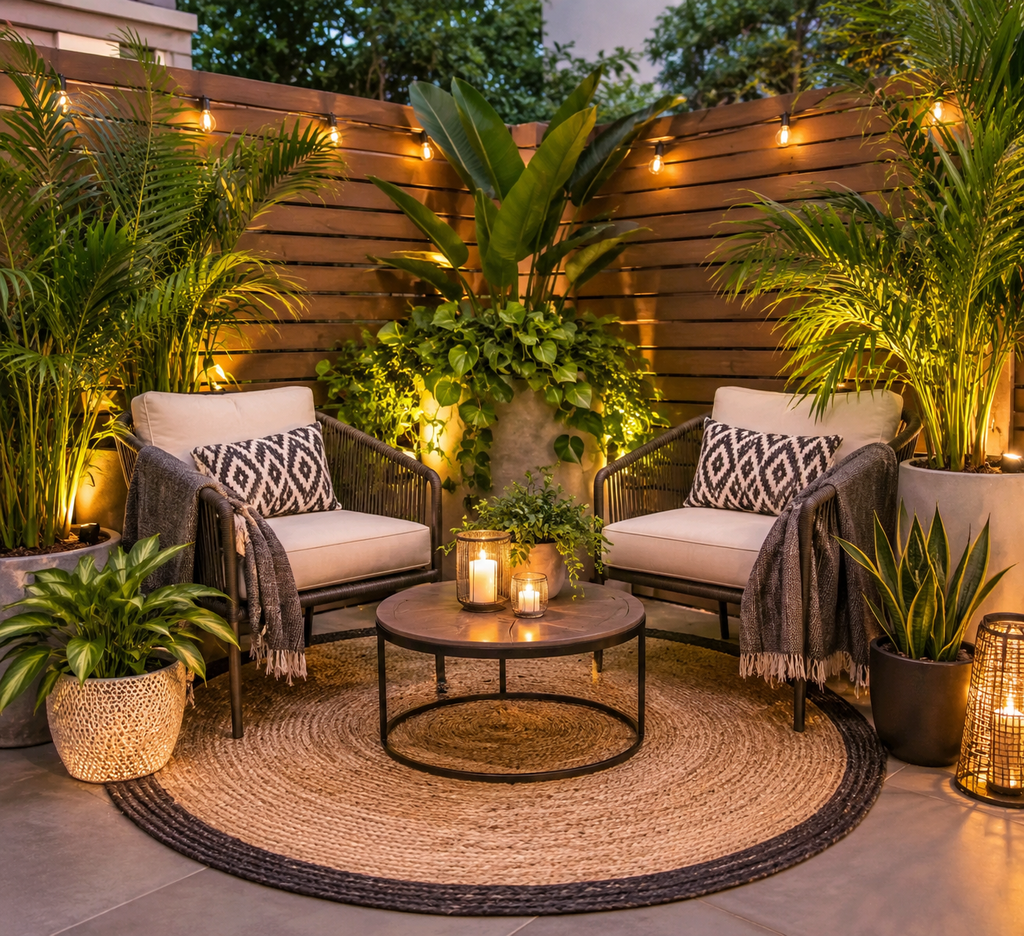
This one’s often overlooked, but simply rearranging your outdoor furniture can make a noticeable difference. Positioning seating with your back to a wall, corner, or planting bed — rather than facing open sightlines — naturally makes a space feel more enclosed and private, even without adding anything new.
Pair this with tall potted plants at the corners of your seating area, and you’ve created a private little nook using furniture alone.
Combining Ideas for Maximum Privacy
The best backyard privacy setups rarely rely on just one method. A common and highly effective combo looks like this:
- Fast-growing shrubs or trees along the back property line
- A trellis with climbing vines near the patio
- Outdoor curtains or a privacy panel for the seating area
- Tall planters to fill in any remaining gaps
Layering these ideas not only blocks more sightlines, it also creates a richer, more designed look than a single flat fence ever could.
How Much Do These Privacy Ideas Typically Cost?
One of the biggest reasons homeowners search for fence alternatives in the first place is cost. Here’s a rough idea of what you’re looking at, compared to a traditional fence:
- Privacy plants and shrubs: $20–$150 per plant, depending on size and variety.
- Trellis with vines: $30–$200 for materials, plus the cost of the plants themselves.
- Outdoor privacy panels or screens: $50–$300 per panel.
- Tall planters: $25–$150 each, depending on material and size.
- Outdoor curtains: $20–$60 per panel.
- Traditional wood or vinyl fence: $2,000–$10,000+ for a full backyard, depending on length and material.
Even if you combine three or four of the ideas above, you’ll likely still spend a fraction of what a full fence installation would cost — and you can add pieces gradually instead of paying for everything up front.
Frequently Asked Questions
What is the cheapest way to add privacy to a backyard?
Outdoor curtains and tall potted plants are usually the most budget-friendly options. Both can be set up in a single afternoon and moved around as your needs change, which makes them ideal if you’re renting or just testing out a layout before committing to something more permanent.
How fast do privacy plants actually grow?
It depends on the species, but fast growers like arborvitae, Leyland cypress, or clumping bamboo can add one to three feet of height per year. If you want privacy sooner rather than later, buying slightly larger starter plants from a nursery can shave a year or two off the wait.
Can I add backyard privacy without digging or installing anything permanent?
Yes. Tall planters, outdoor curtains, freestanding privacy panels, and rearranged furniture all require zero digging and no permanent installation, which makes them perfect for renters, HOA neighborhoods, or anyone who isn’t ready to commit to a fixed structure.
Do privacy plants work in small backyards?
Absolutely. In smaller yards, narrow growers like skip laurel, columnar arborvitae, or trellised vines actually work better than wide, sprawling shrubs, since they block sightlines without eating up your usable space.
Final Thoughts
You don’t need a tall wooden fence to enjoy a private backyard. Between fast-growing plants, trellises, privacy screens, pergola curtains, and a little creative landscaping, you can build a backyard that feels like your own personal escape — without the cost, permits, or hassle that come with traditional fencing.
Start with one or two ideas that fit your space and budget, then build from there. Before long, you’ll have a backyard that feels private, personal, and completely yours.