
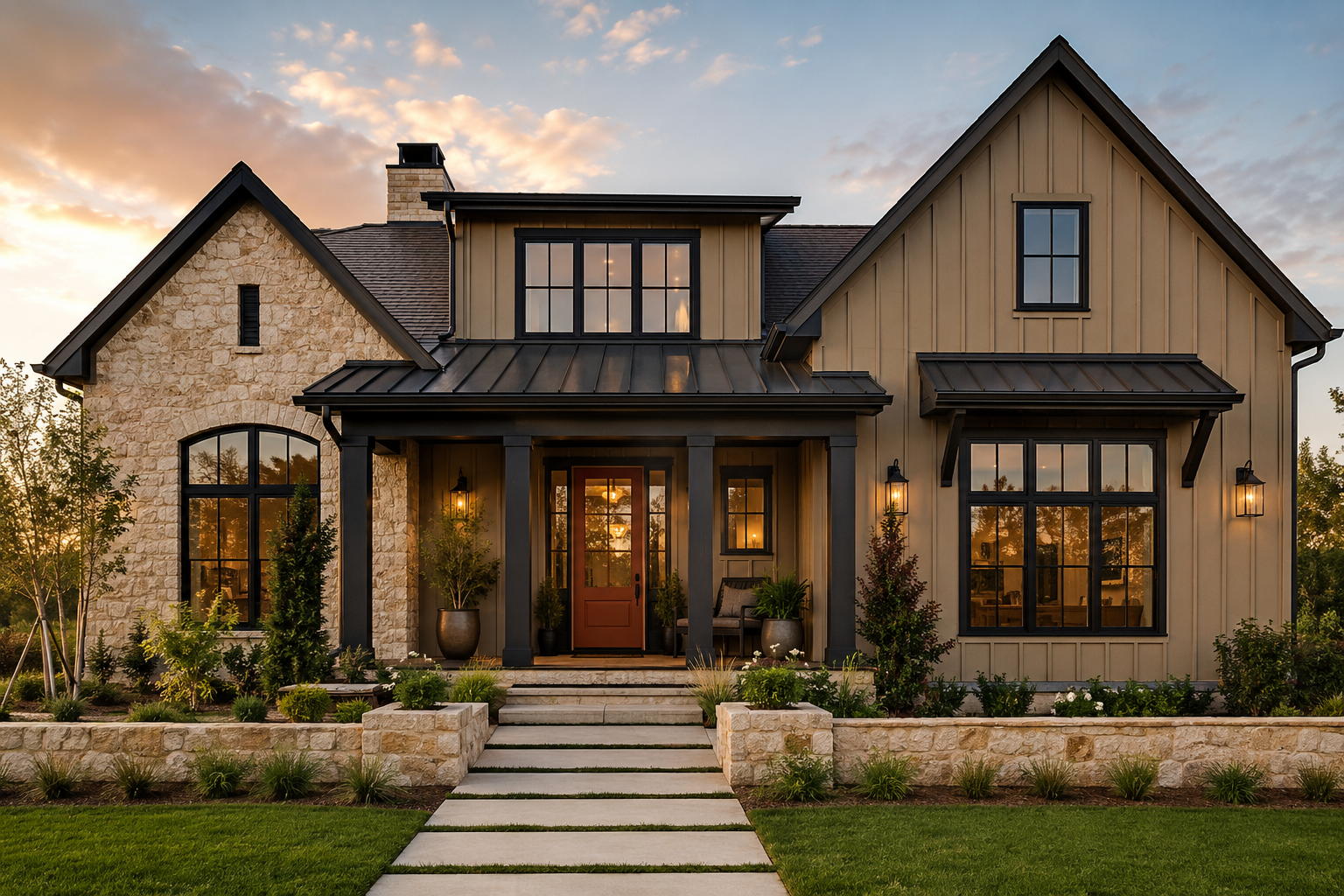
Standing in the paint aisle with a fan deck in your hand is one of the most overwhelming parts of any home improvement project. There are thousands of shades to choose from, and picking the wrong house color combination can be an expensive mistake — one that’s hard to undo once the paint dries. The good news is that great house color combinations aren’t about luck or a designer’s secret eye. They follow patterns you can actually learn. In this guide, we’ll cover the biggest house color trends for 2026, how to choose the right combination for your home’s architecture, and specific pairings that consistently boost curb appeal and interior flow, whether you’re repainting your exterior or refreshing rooms inside.
Why House Color Combinations Matter More Than You Think
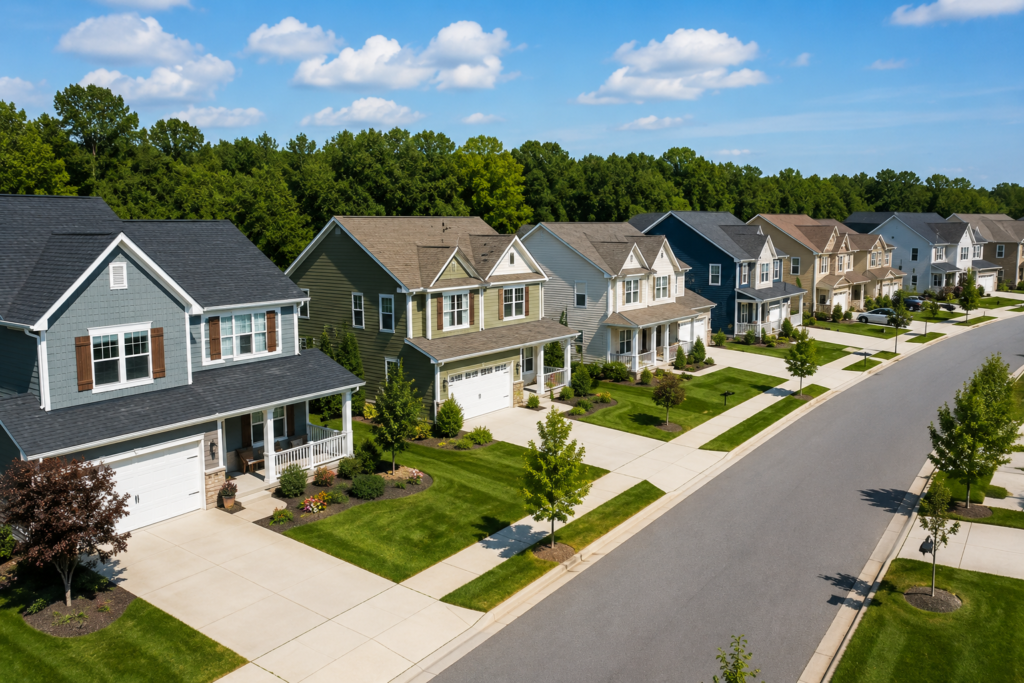
A single paint color rarely makes or breaks a home — it’s the combination that does the work. The body color, trim, front door, shutters, and roofline all interact with each other, and when they’re chosen together instead of one at a time, the whole house reads as intentional rather than accidental. Real estate agents consistently point to curb appeal as one of the top factors in a buyer’s first impression, and paint is the fastest, cheapest way to influence it. Inside the home, the right color combinations do something similar: they guide how a space feels, make rooms flow into each other, and can even make a small room feel larger or a large room feel cozier.
The Biggest House Color Trends for 2026

Paint trends shift a little every year, but 2026 has a clear direction: warmth is back. Cool, stark grays that dominated the last decade are softening into richer, nature-inspired tones. Here’s what’s leading the way this year.
Warm Earthy Neutrals
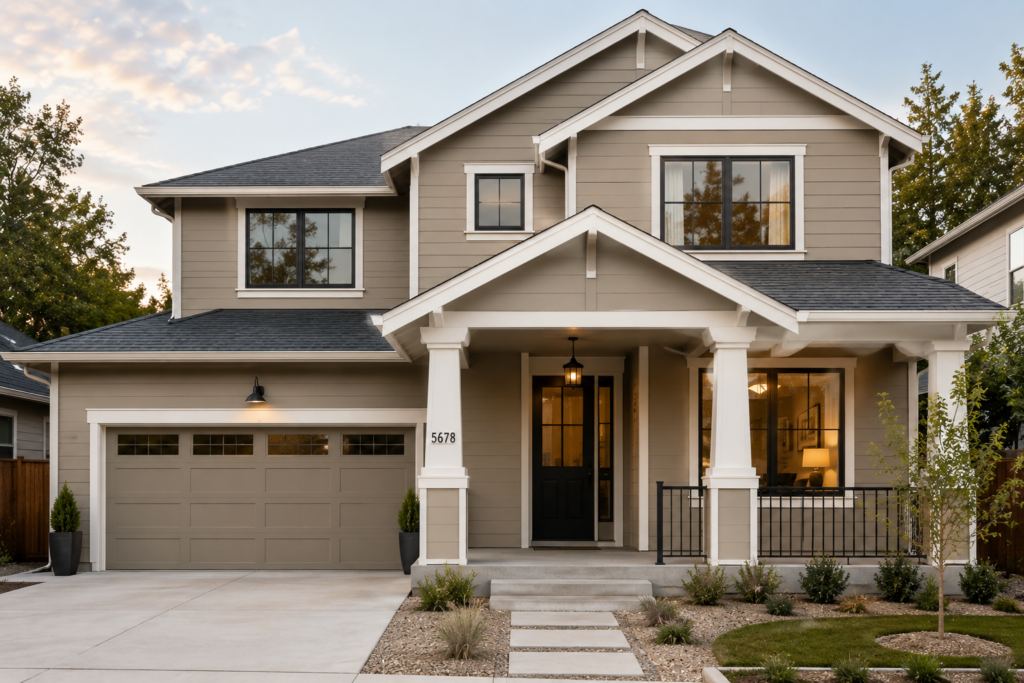
Cool gray and greige are giving way to warmer neutrals with a hint of tan, khaki, or mushroom underneath. These shades still feel timeless and easy to sell a home with, but they no longer look cold or clinical. They work beautifully as a main body color for almost any architectural style.
Sage and Olive Greens
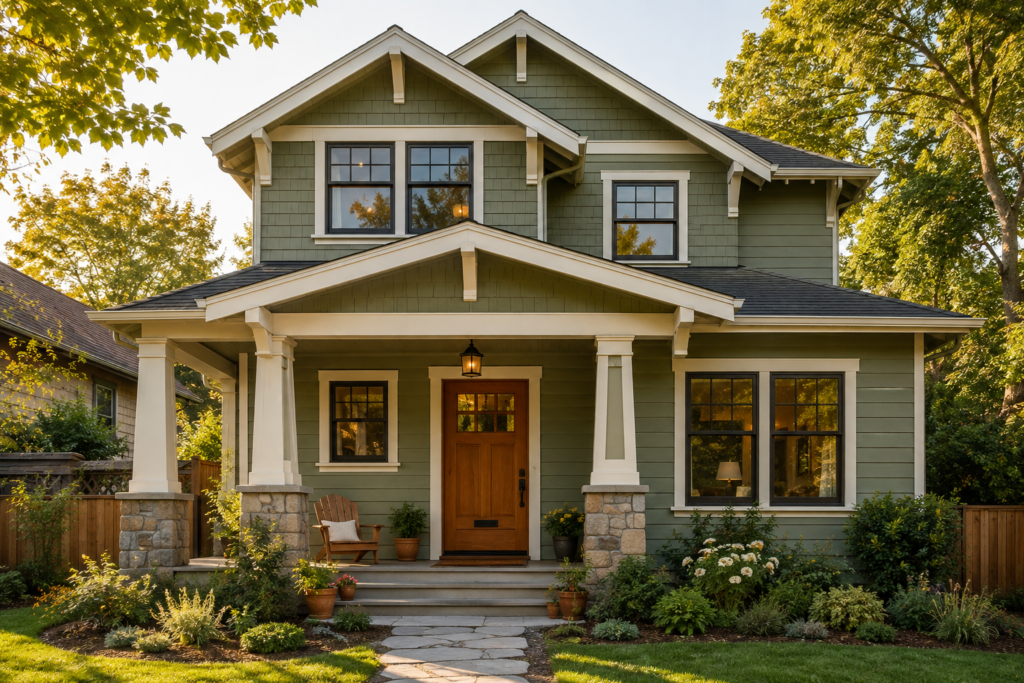
Muted greens are one of the breakout house colors of 2026. They connect a home to its landscaping in a way that gray or beige simply can’t, and they pair effortlessly with natural wood accents, black hardware, and stone. Sage green exteriors are especially popular on Craftsman, farmhouse, and cottage-style homes.
Charcoal and Deep Navy
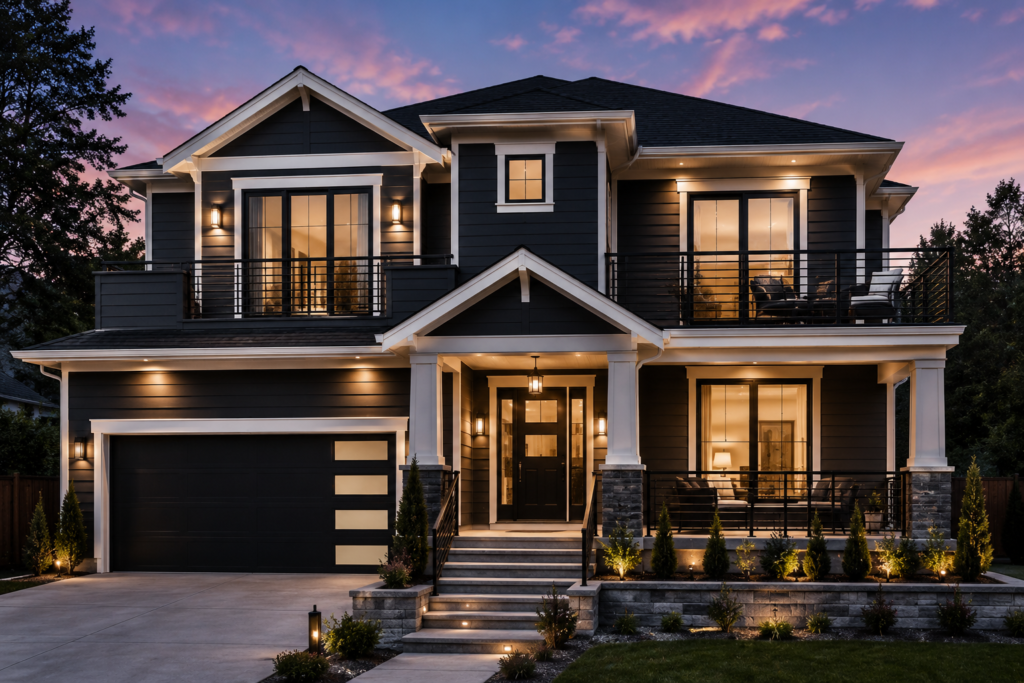
Dark, moody exteriors haven’t lost momentum — if anything, they’ve gotten more refined. Charcoal and deep navy read as confident and modern, especially when paired with crisp white or warm cream trim. These colors also tend to hide dirt and weathering better than pure white. Best AI detector for student.
Terracotta and Clay Accents
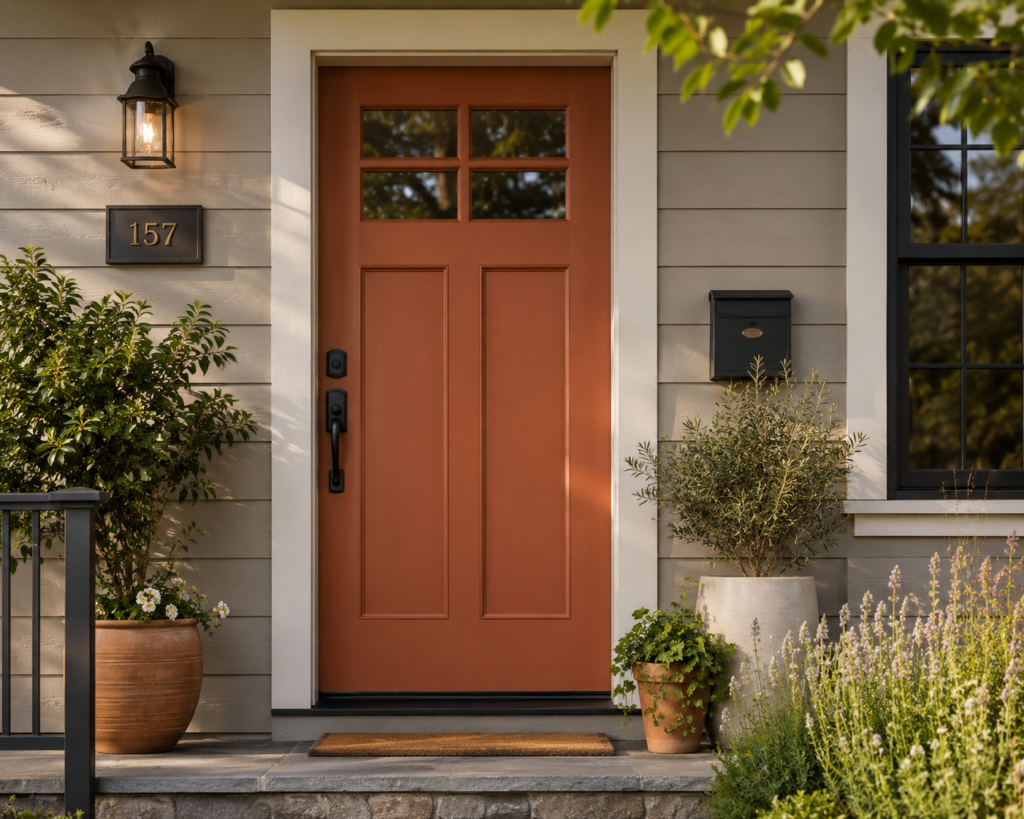
Rather than painting an entire house terracotta, homeowners are using warm clay and terracotta tones as accent colors — on front doors, shutters, or a single feature wall. It’s a small commitment with a noticeably big personality payoff.
How to Choose the Right Color Combination for Your Home
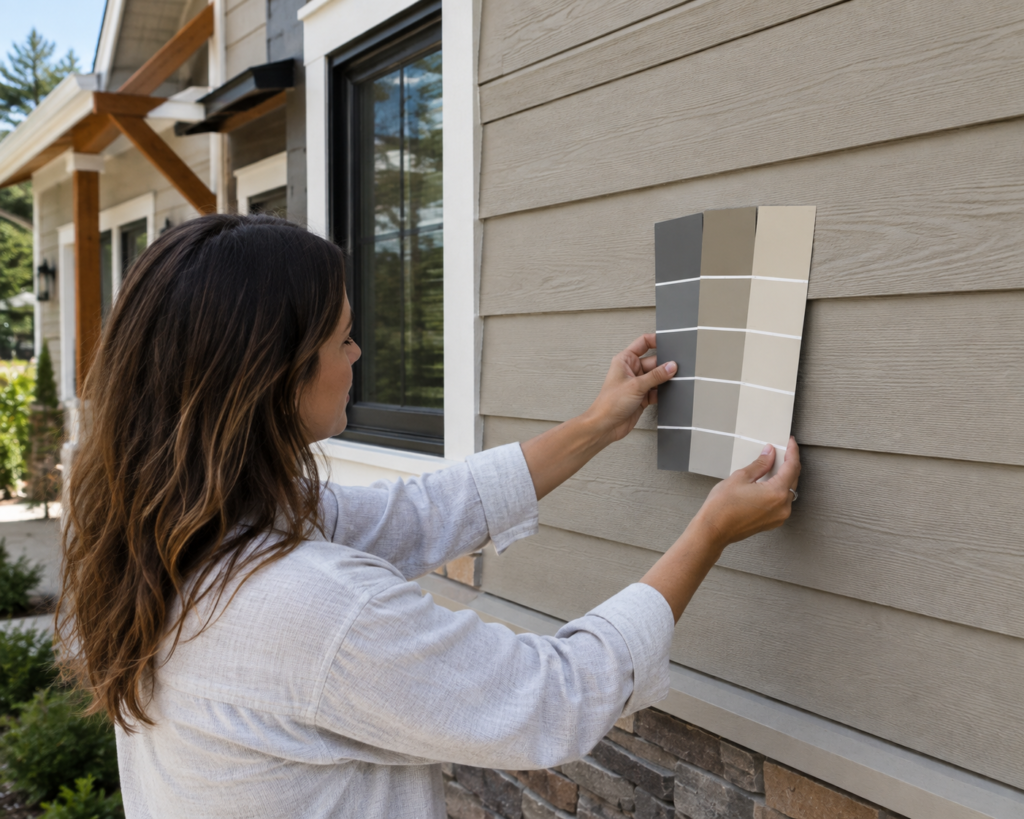
Trends are a great starting point, but the best house color combination is the one that actually suits your specific home. A few factors matter more than personal taste alone.
Consider Your Home’s Architecture
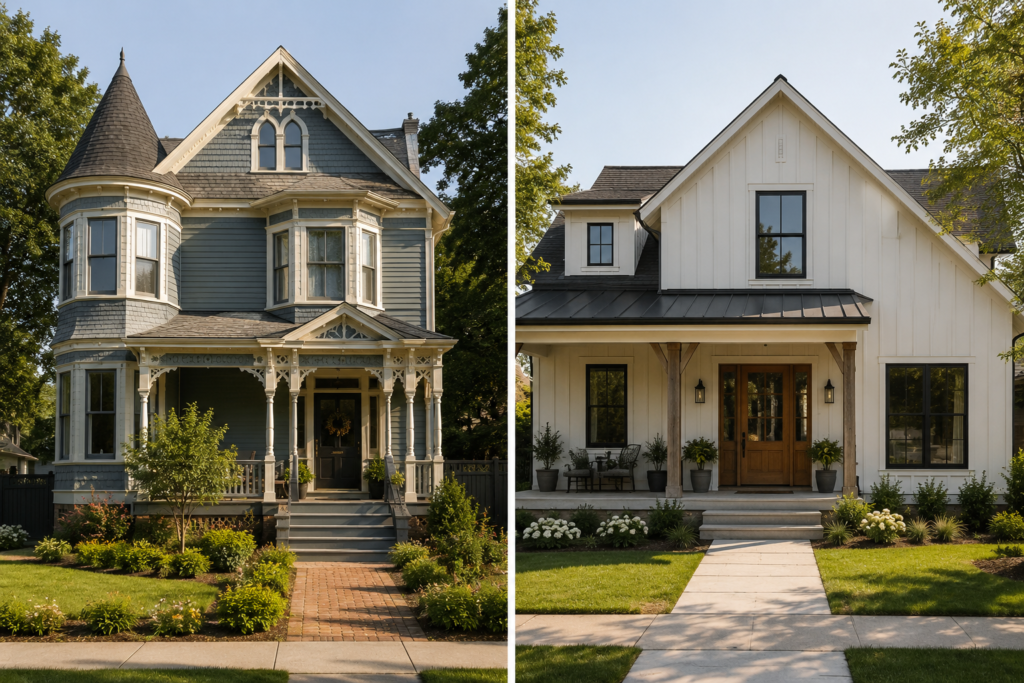
A color palette that looks stunning on a modern farmhouse can look strangely out of place on a Victorian or a brick Colonial. Traditional homes generally lean toward more classic, historically accurate palettes, while modern builds have far more room to experiment with bold contrast.
Think About Your Climate and Surroundings
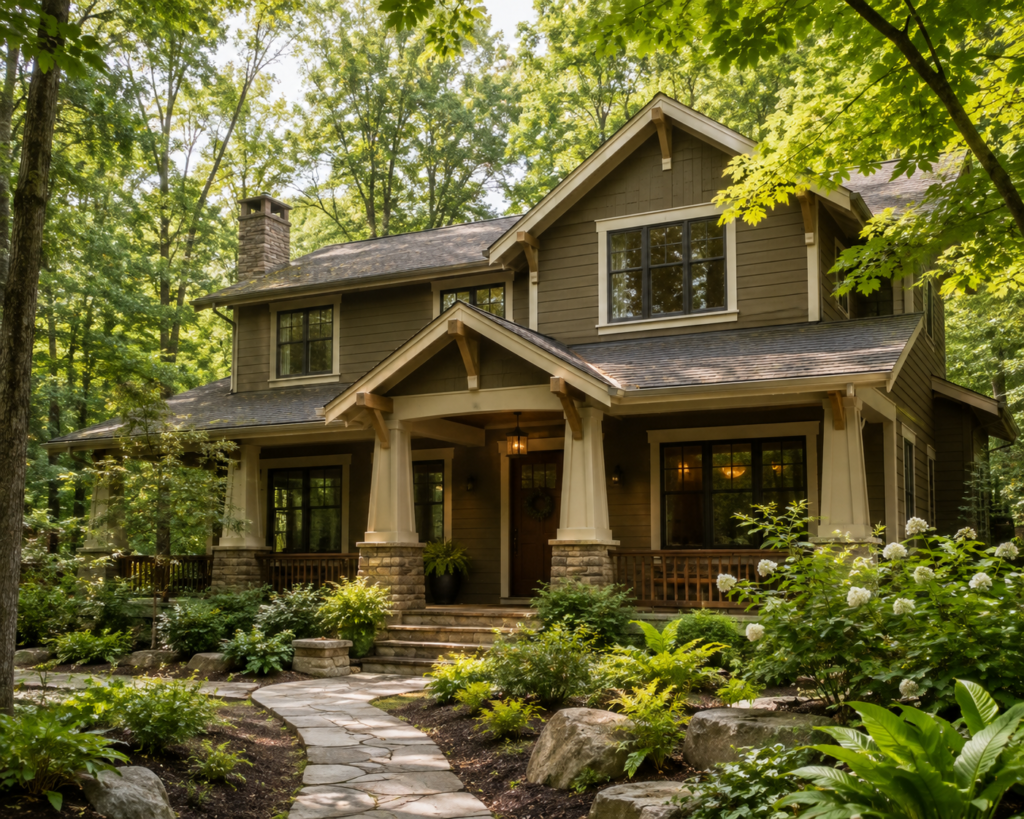
Homes surrounded by heavy greenery often look best in warm neutrals or greens that blend with the landscape, while homes in brighter, sunnier climates can handle bolder, more saturated colors without feeling overwhelming. It’s also worth thinking practically — darker colors absorb more heat, which matters if you’re in a hot climate.
Start With the Main Body Color
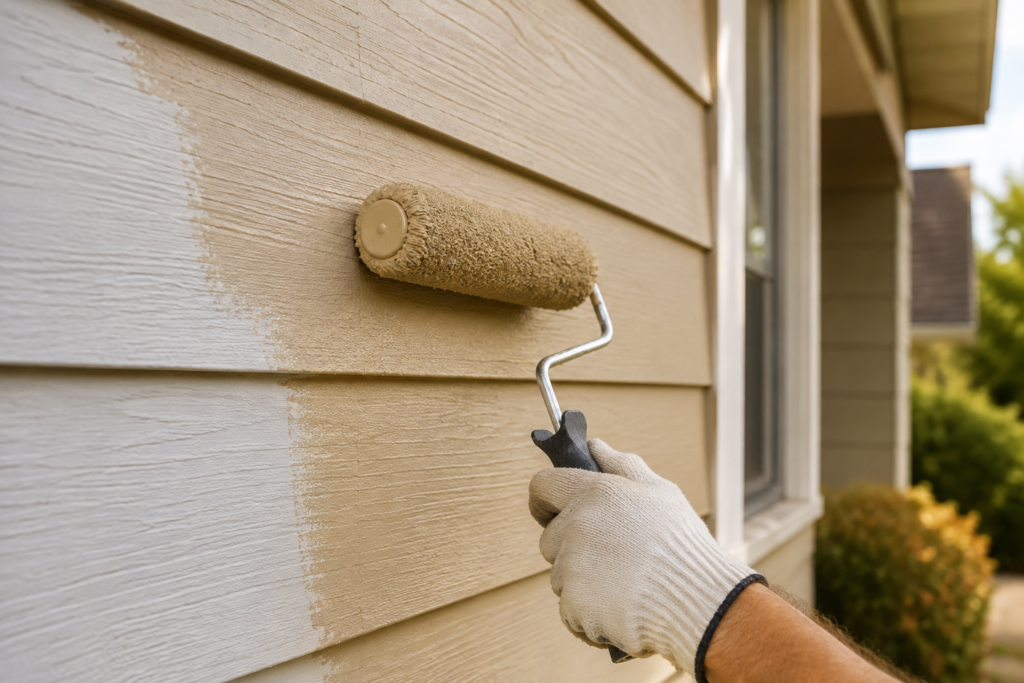
Choose your main body color first, then build trim, door, and accent colors around it rather than the other way around. This keeps the palette cohesive instead of feeling like three separate decisions stitched together.
Best Exterior House Color Combinations
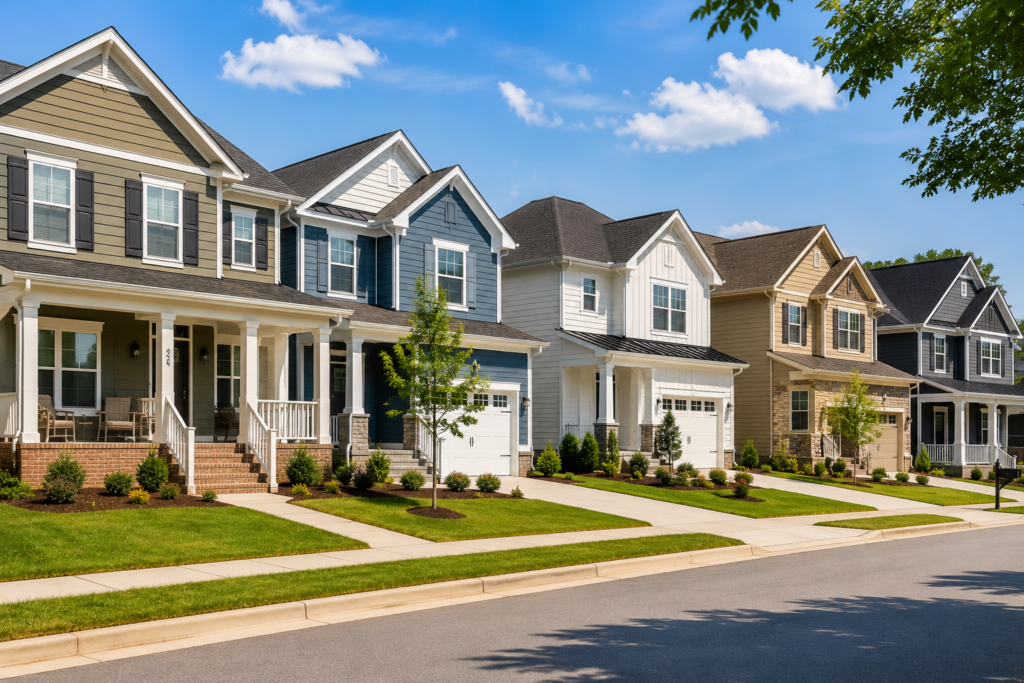
If you’re not sure where to start, these tried-and-true combinations consistently perform well for curb appeal across different home styles.
Warm Neutral Body + Black Trim
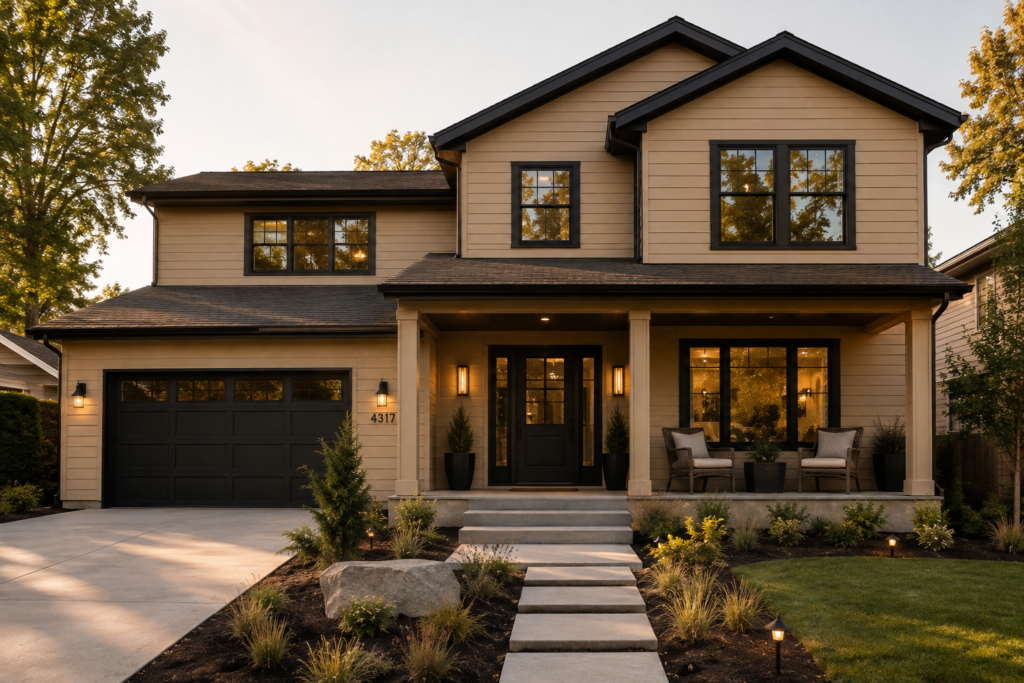
A warm khaki or greige body with crisp black trim and window frames is one of the most requested combinations right now. It’s classic, it photographs beautifully, and it works on nearly every architectural style.
Sage Green + White Trim + Wood Accents

This combination leans fully into the nature-inspired trend. White trim keeps the green from feeling heavy, and natural wood on the front door or porch ceiling adds warmth and texture.
Navy Blue + Cream Trim
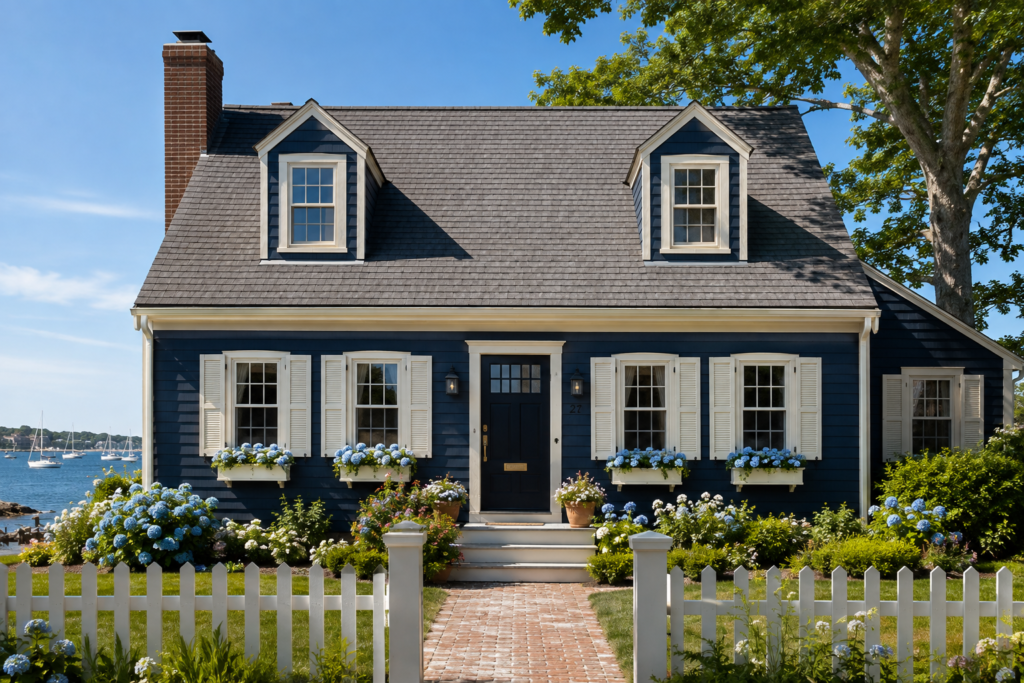
A perennial favorite for Cape Cod, coastal, and Colonial-style homes. Navy reads as timeless rather than trendy, and cream trim softens the contrast so the house doesn’t feel too dark or dramatic.
Charcoal Body + Terracotta Front Door
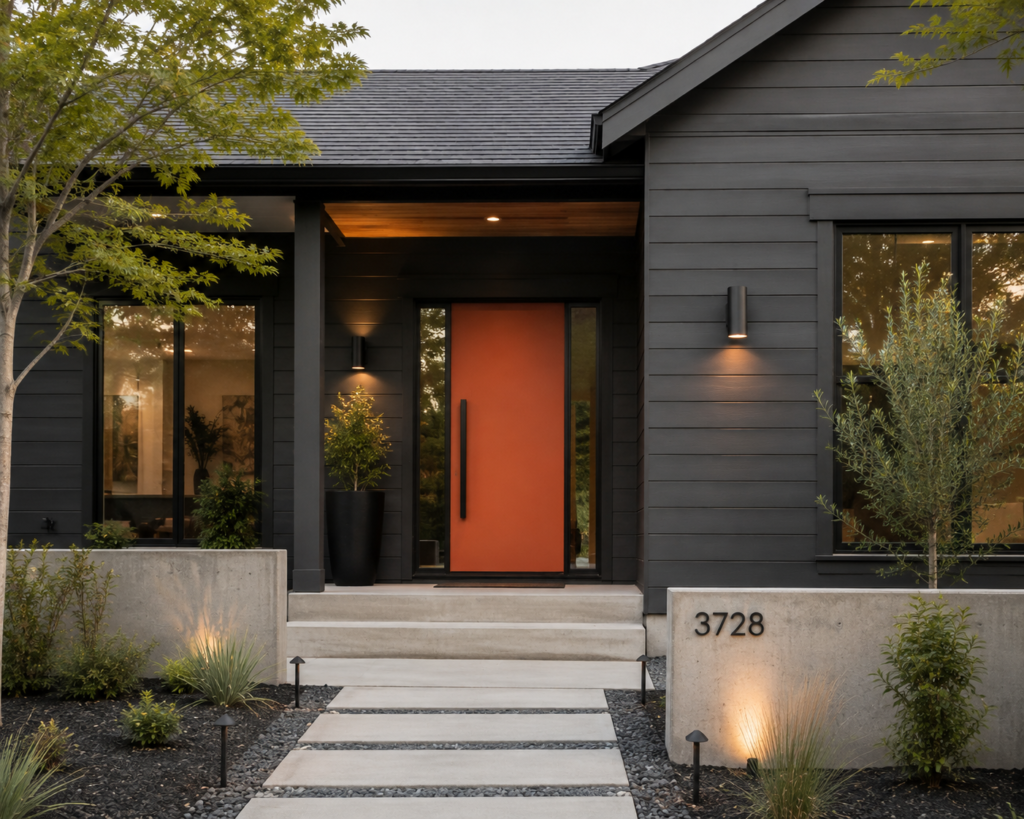
For homeowners who want a modern, moody exterior without losing personality, a charcoal or deep gray body with a warm terracotta or clay-colored front door creates an eye-catching focal point right at the entrance.
Interior Color Combination Ideas That Flow Room to Room
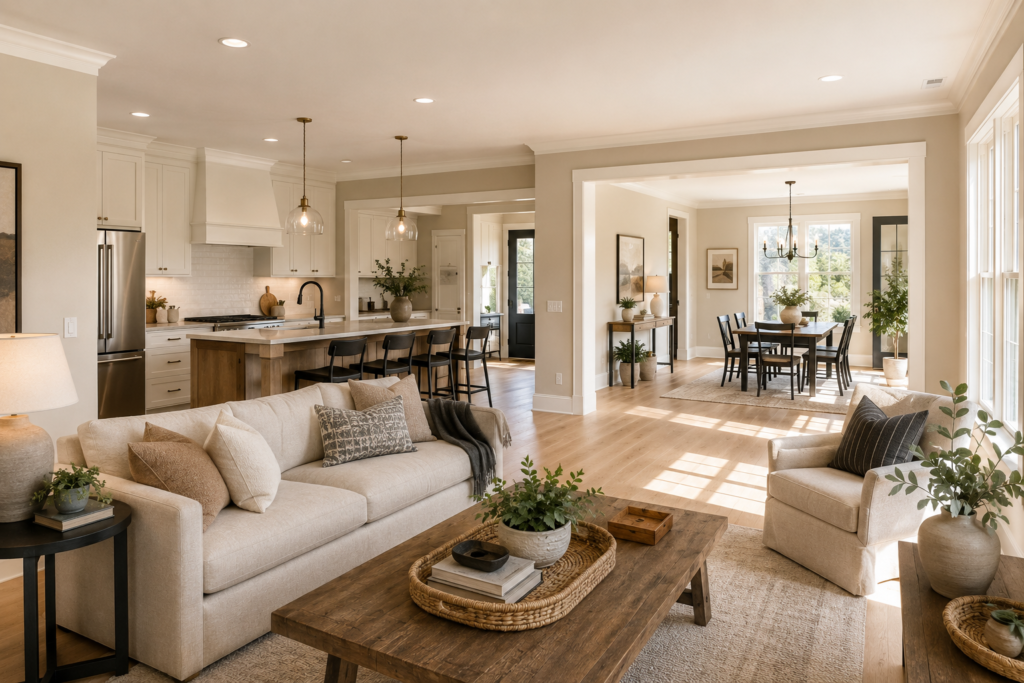
Exterior colors get most of the attention, but interior color combinations matter just as much for how a home actually feels to live in.
Whole-Home Neutral Palette
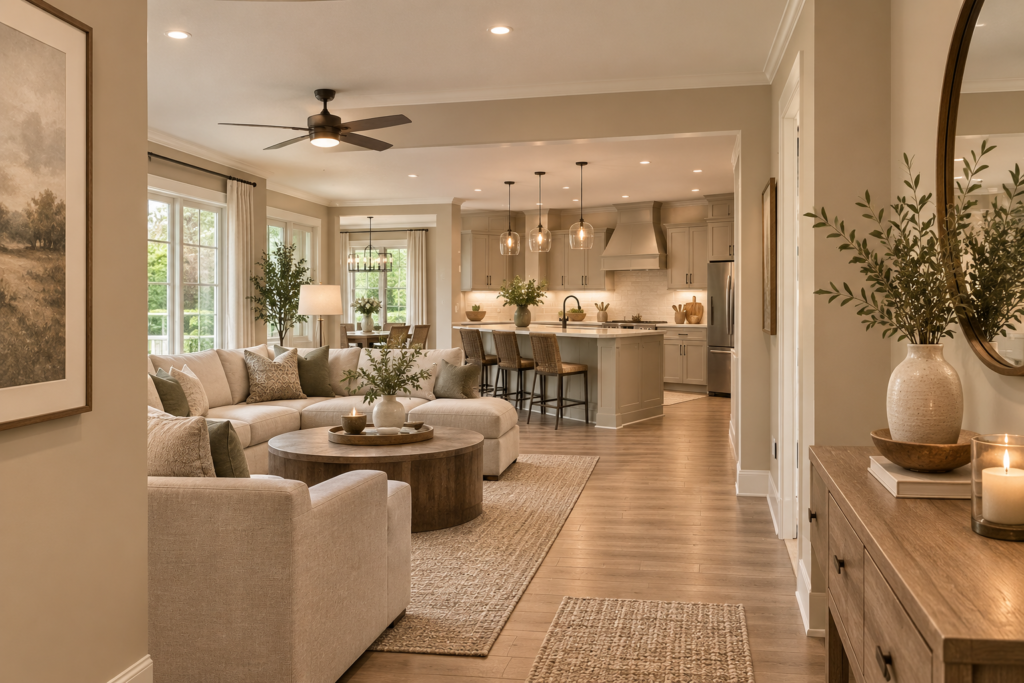
Using one warm neutral as a base throughout connecting spaces — hallways, living rooms, kitchens — creates a sense of flow instead of a house that feels chopped up room by room. Bathrooms and bedrooms can then branch out slightly without feeling disconnected.
Color-Drenched Rooms

One of the standout interior trends this year is color drenching — painting the walls, trim, and even the ceiling of a single room in the same tone. It sounds bold, but in practice it makes a room feel enveloping and intentional rather than busy.
Accent Walls Done Right
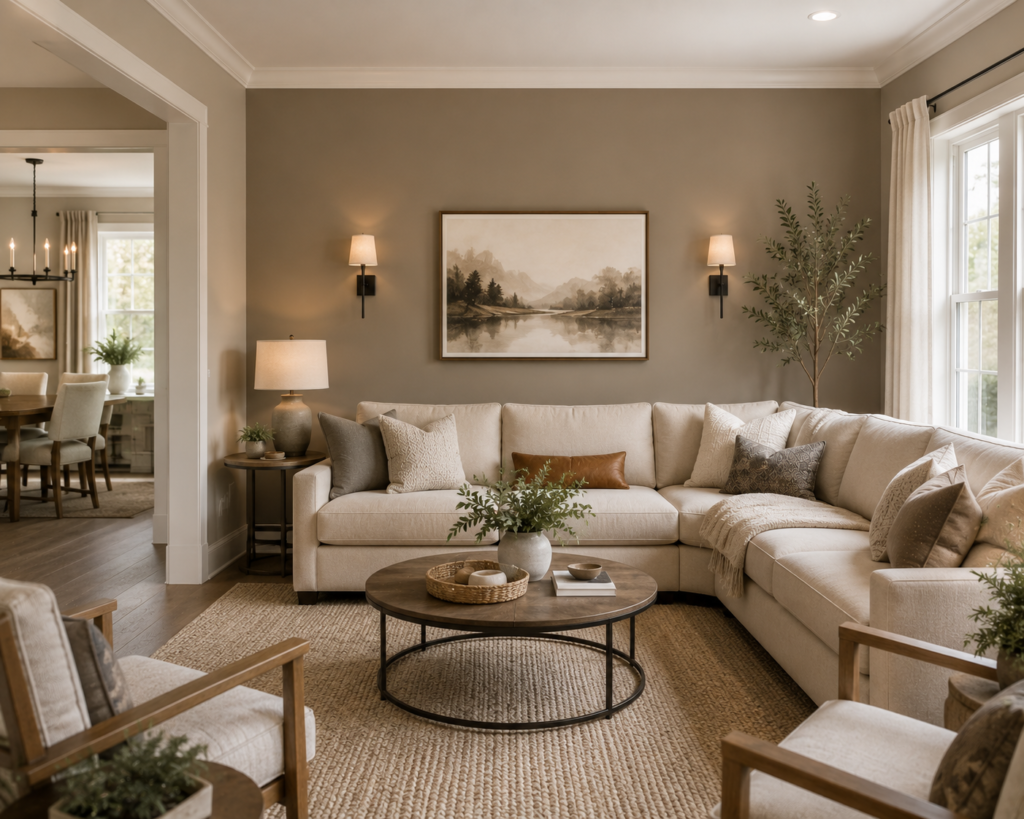
Accent walls are still popular, but the execution has changed. Instead of one bright, high-contrast wall, 2026’s version leans toward a slightly deeper shade of the room’s existing neutral — subtle enough to add depth without looking like an afterthought.
Trim, Doors, and Accent Colors: The Small Details That Make a Big Difference
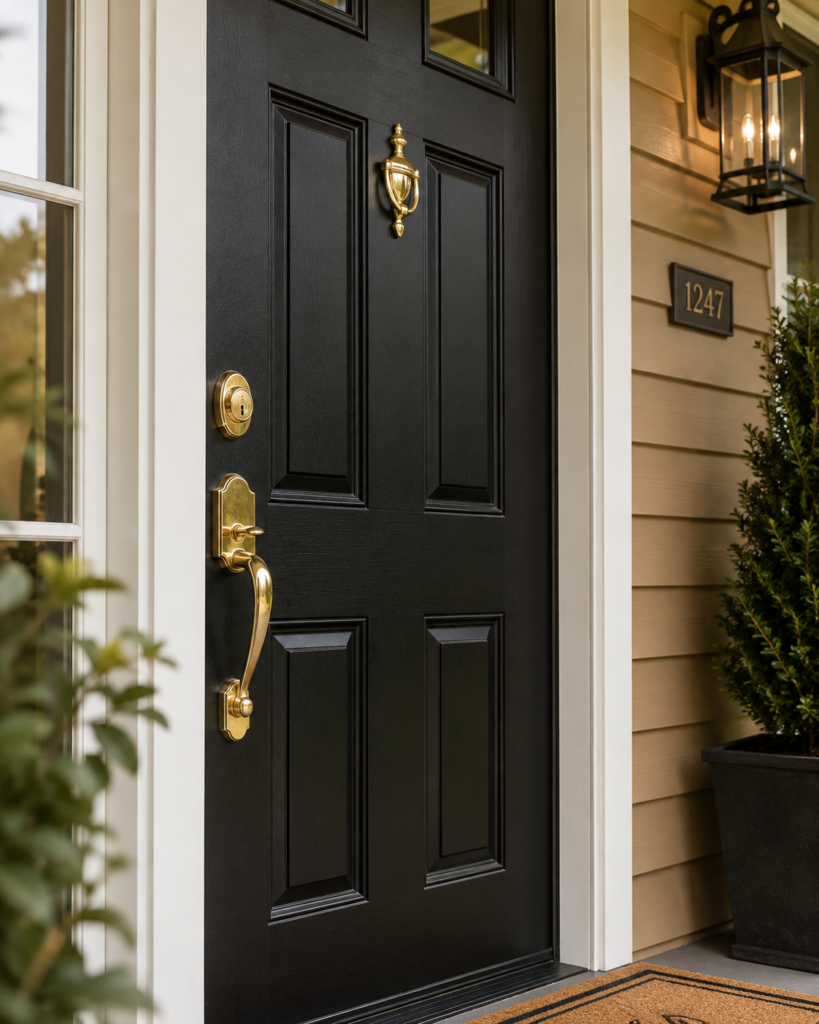
- Keep trim colors consistent throughout the exterior for a cohesive, finished look.
- A bold front door color is one of the lowest-cost, highest-impact updates you can make to curb appeal.
- Match metal fixtures — gutters, railings, light fixtures — to your trim color or a complementary dark neutral.
- Test paint samples on your actual walls or siding at different times of day before committing; lighting changes a color dramatically.
- If your neighborhood has an HOA or historic district guidelines, check them before finalizing your palette.
Common Mistakes to Avoid When Combining House Colors

The most common mistake is choosing colors in isolation — picking a beautiful body color without testing it against the trim, roof, and landscaping around it. Another frequent issue is going too matchy, where every element is nearly identical and the house ends up looking flat instead of layered. It’s also easy to underestimate how much natural light changes a color; a shade that looks perfect on a paint chip indoors can look completely different in full sun on an exterior wall. Finally, don’t ignore your roof and driveway — undertones in existing materials like brick, stone, or shingles should guide your color choices, not fight against them.
Frequently Asked Questions
How many colors should a house exterior have?
Most well-balanced exteriors use three colors: a main body color, a trim color, and an accent color for the front door or shutters. Going beyond three colors usually starts to look busy rather than intentional.
What’s the most popular exterior house color right now?
Warm earthy neutrals — think soft khaki, greige, and warm taupe — remain the most requested exterior colors in 2026, largely because they’re timeless, sell well, and pair with almost any trim or accent color.
Should interior and exterior colors match?
They don’t need to match exactly, but they should feel like they belong to the same home. A warm-toned exterior generally looks best paired with warm interior neutrals, while a cooler exterior pairs more naturally with cooler interior tones.
Final Thoughts
The right house color combination does more than look good in photos — it ties your whole home together, inside and out, and makes it feel like one cohesive space instead of a collection of separate decisions. Start with your main body color, choose trim and accents that support it, and don’t be afraid to lean into the warmer, nature-inspired tones defining 2026. A thoughtful color palette is one of the most affordable home improvement projects with the biggest visual payoff — and it might just be the update that finally makes your house feel like home.