
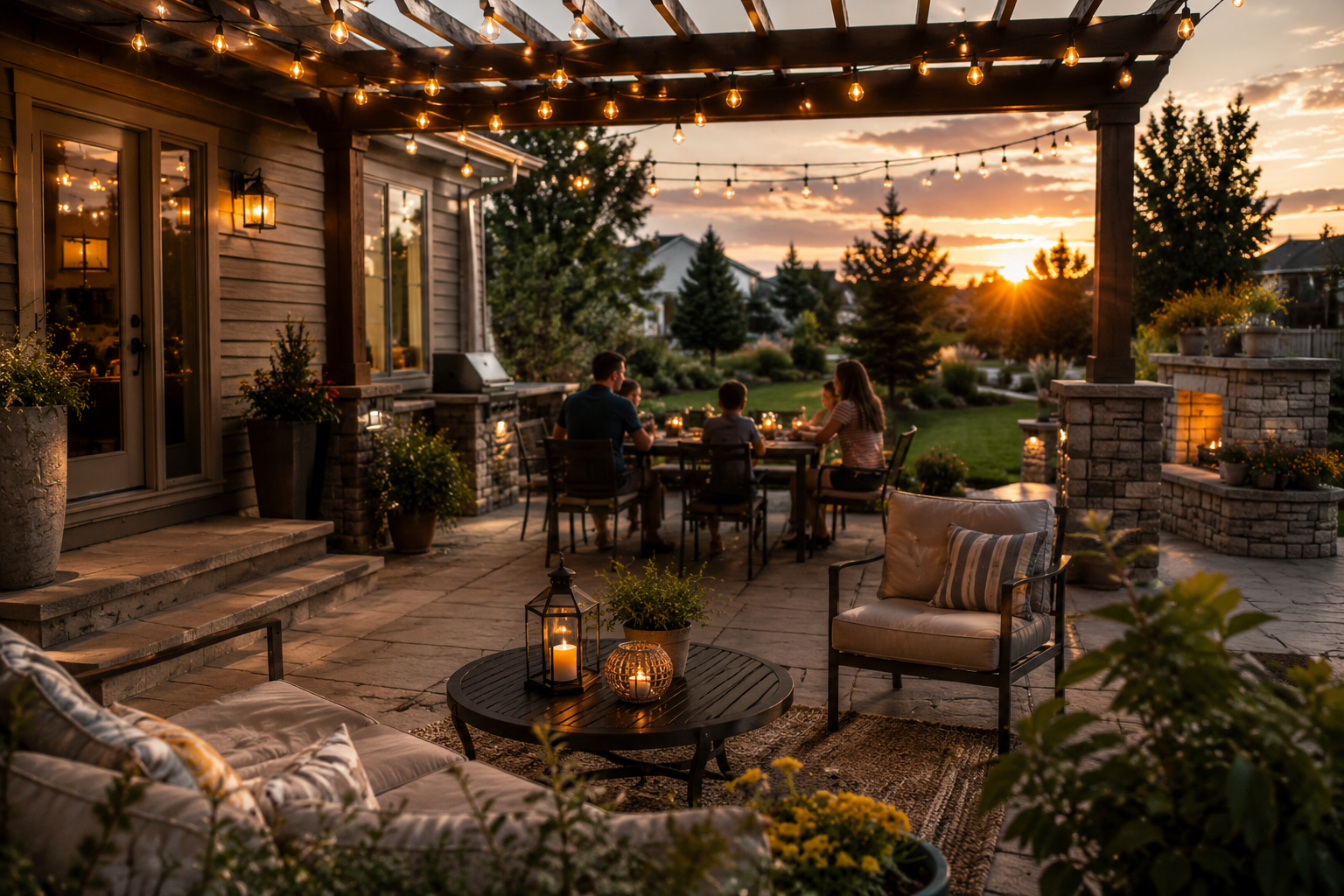
There’s a reason so many home renovation shows end with everyone gathered on a beautiful patio or deck — it’s often the space where a house actually starts to feel like a home. A well-designed outdoor living area gives you somewhere to unwind after work, host summer cookouts, or just drink your morning coffee without staring at a plain slab of concrete. Yet for a lot of homeowners, the patio or deck is the most overlooked part of the property.
If you’ve been searching for patio ideas, deck upgrade inspiration, or simply wondering whether to repair or replace what you already have, this guide covers everything from materials and design to maintenance and budget — written in plain language, for real homeowners across the U.S.
Patio or Deck? Choosing the Right Fit for Your Yard
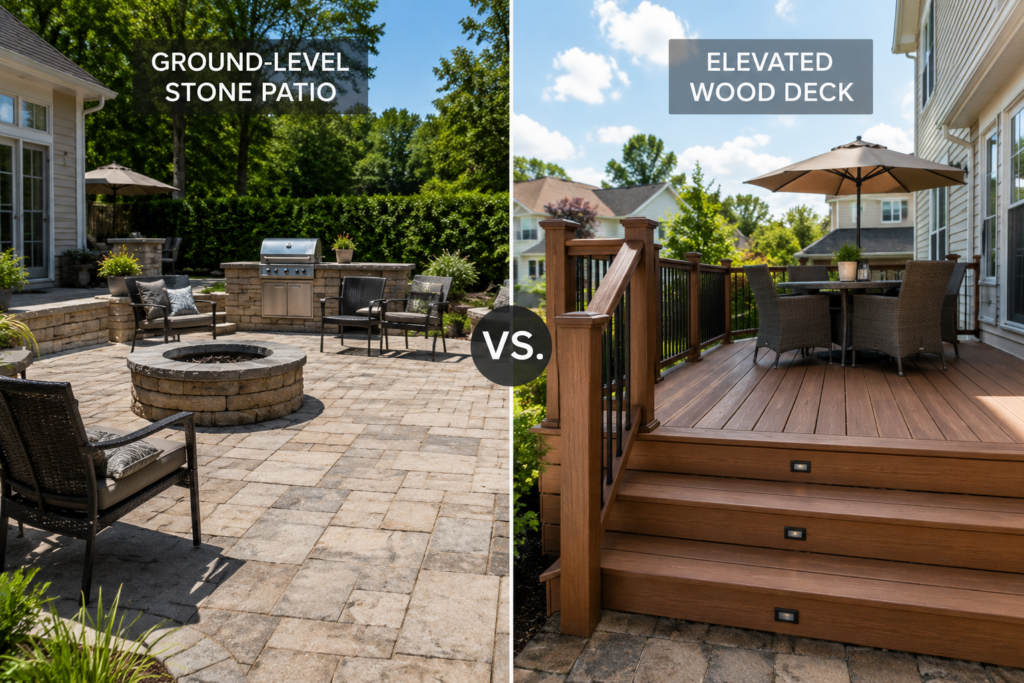
Before diving into upgrades, it’s worth answering the question a lot of homeowners search first: should you build a patio or a deck?
1. Patios Work Best on Flat, Ground-Level Yards
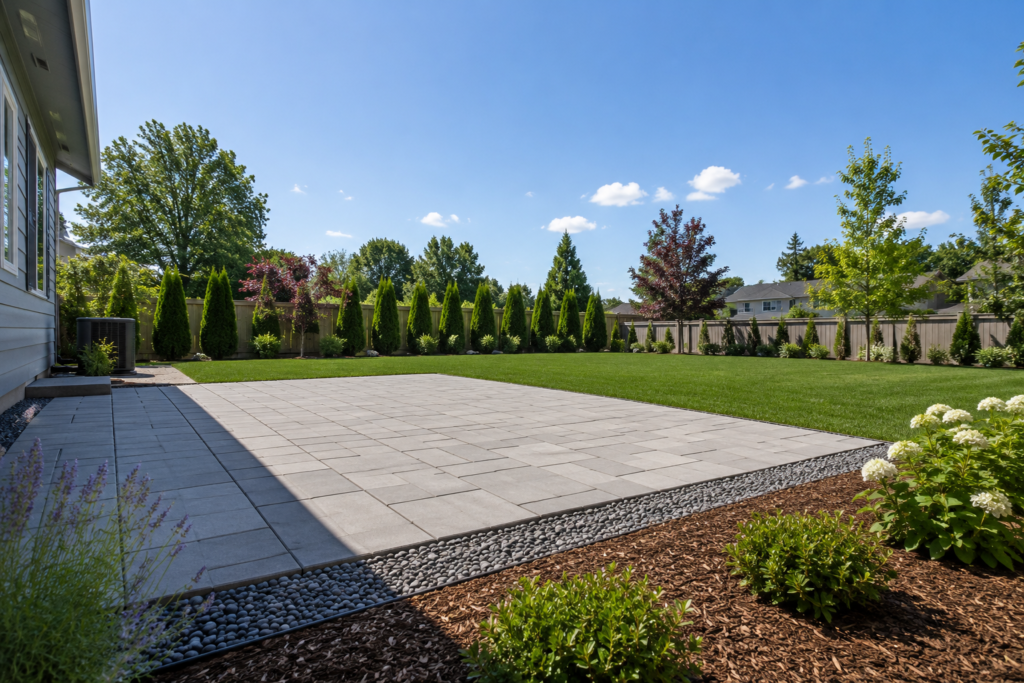
A patio sits directly on the ground and is usually built from concrete, pavers, or natural stone. It’s typically less expensive than a deck and pairs naturally with landscaping, making it a popular choice for backyards that are already level.
2. Decks Are Ideal for Sloped Lots or Elevated Homes
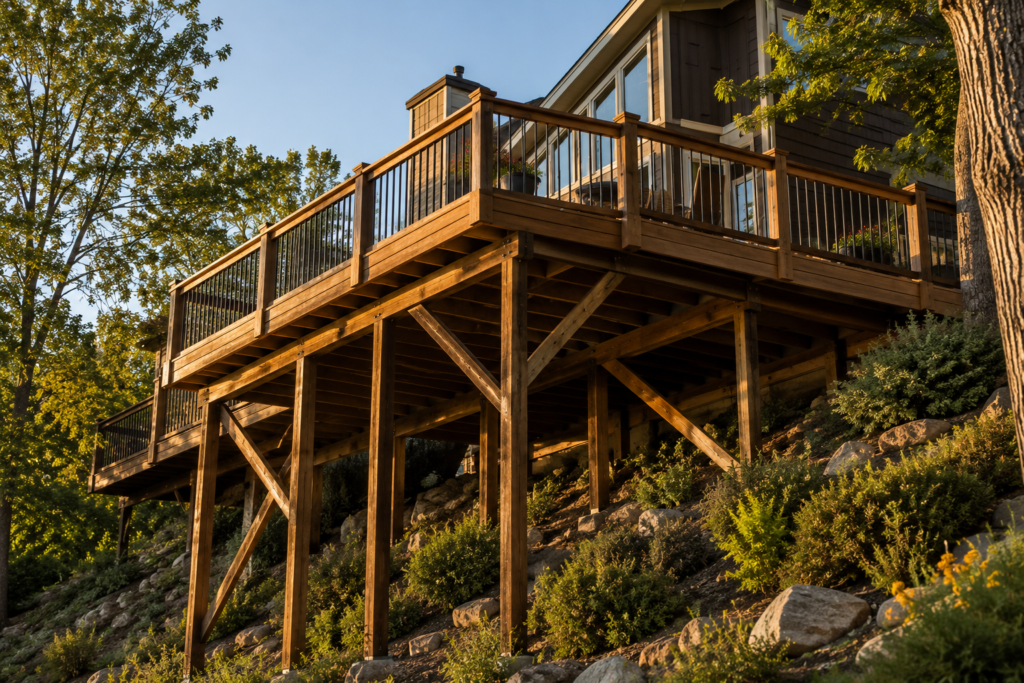
If your home sits above ground level or your backyard has a slope, a deck extends usable space without the cost of major regrading. Decks also tend to connect more naturally to the interior of the home through a back door or sliding glass door.
Best Materials for a Patio or Deck Upgrade
3. Composite Decking
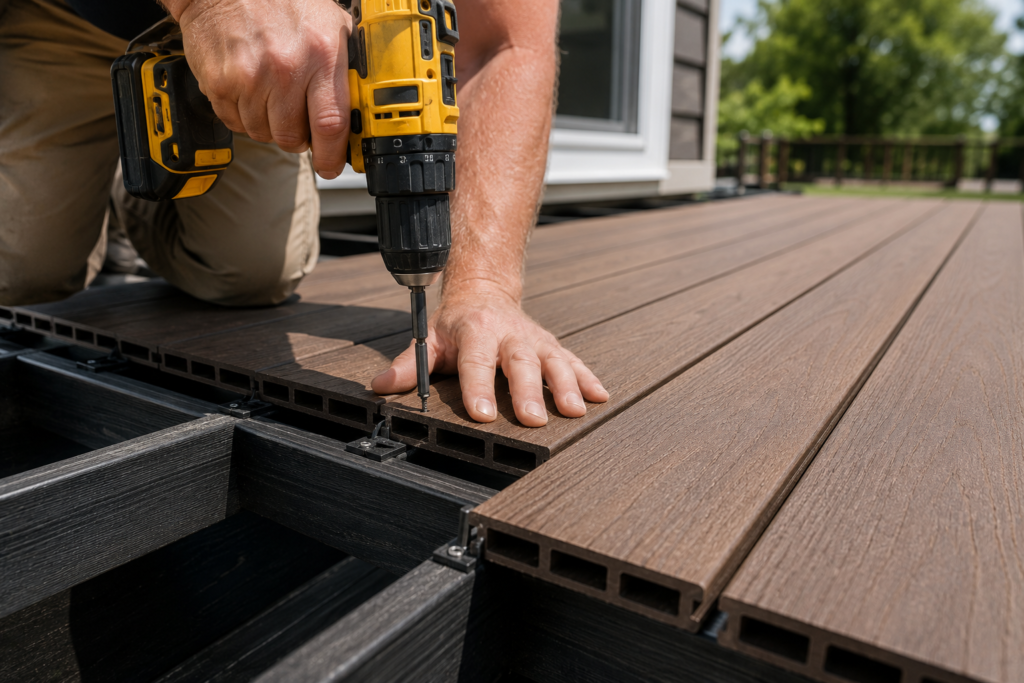
Composite decking has become one of the most requested upgrades among U.S. homeowners because it resists fading, staining, and warping far better than natural wood. It costs more upfront than pressure-treated lumber but requires little more than an occasional hose-down to keep it looking new.
4. Natural Wood Decking
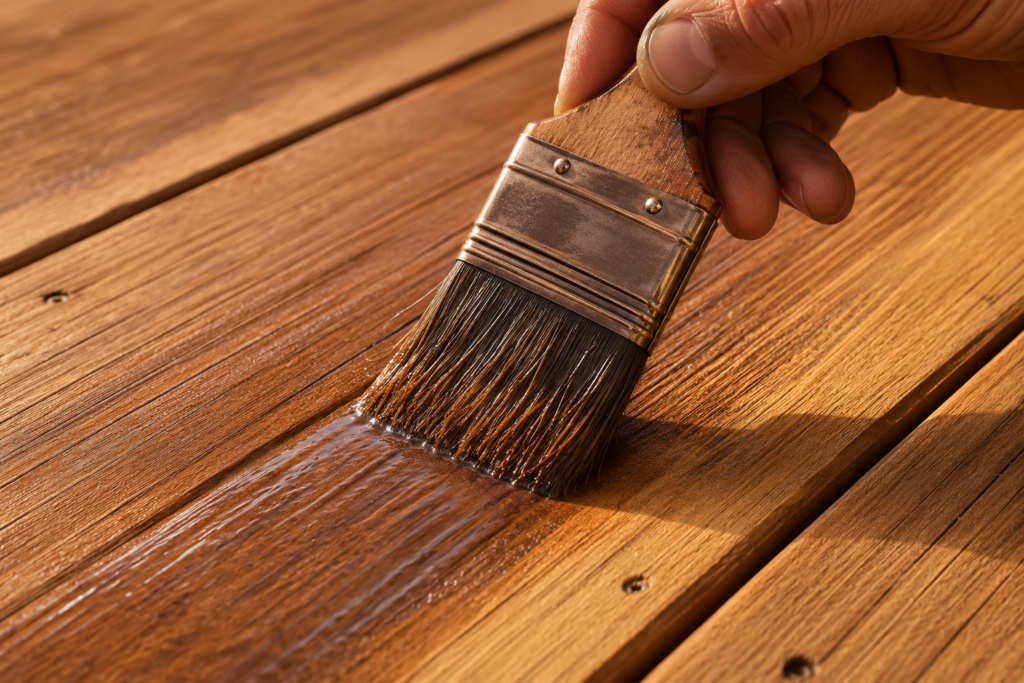
Pressure-treated pine, cedar, and redwood remain popular for their warm, natural look and lower upfront cost. The tradeoff is more frequent maintenance — sealing and staining every couple of years to prevent rot and splintering.
5. Paver and Natural Stone Patios
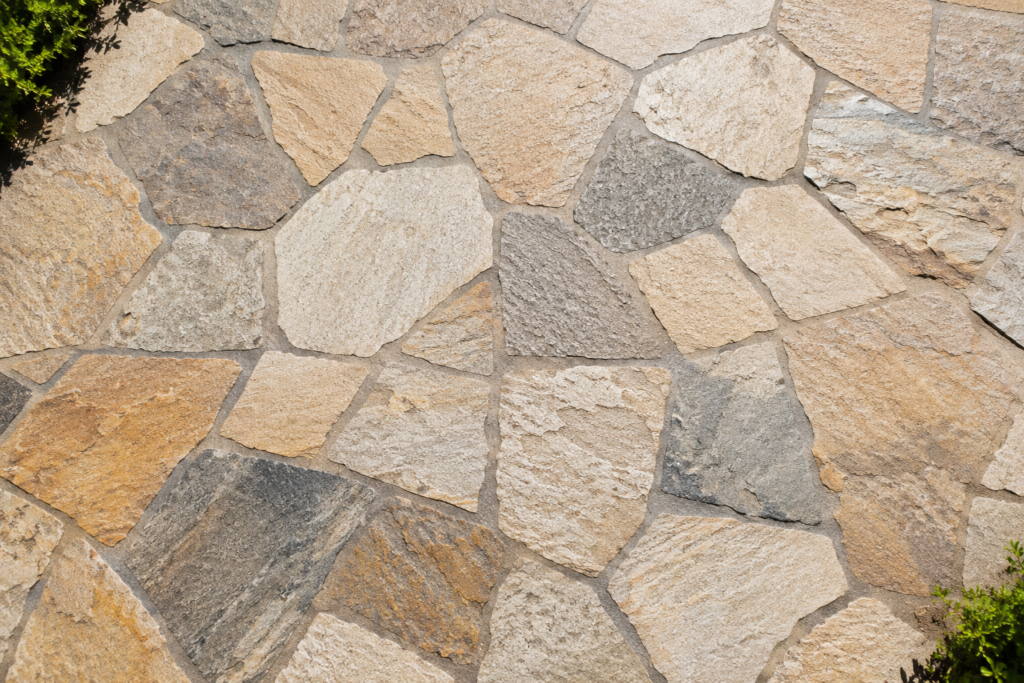
Concrete pavers and natural stone like flagstone or travertine give a patio a custom, high-end look without the cost of a full poured-concrete redesign. They’re also easier to repair — a single cracked paver can be swapped out instead of patching an entire slab.
Design Upgrades That Make an Outdoor Space Feel Complete
6. Add a Pergola or Shade Structure
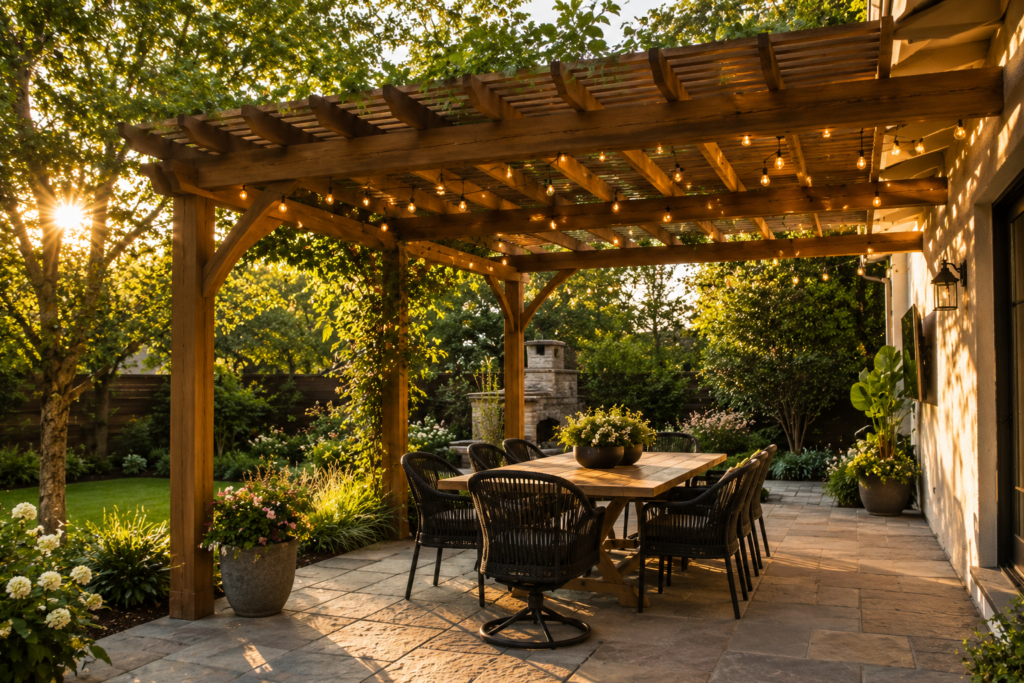
A pergola instantly upgrades a plain patio or deck by adding architectural interest and partial shade, making the space usable even during peak summer heat. Many homeowners now search for pergola ideas specifically to create a defined outdoor “room.”
7. Install Built-In Seating or a Fire Feature
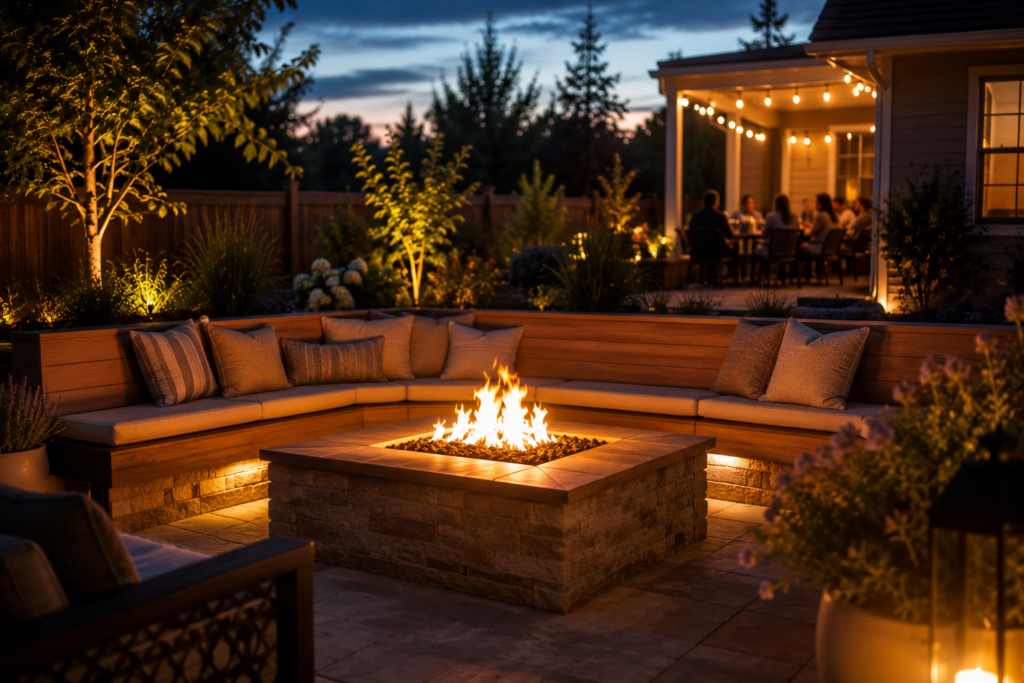
Built-in bench seating maximizes usable space and gives a patio a finished, custom look. Pair it with a fire pit or fire table, and you’ve created a natural gathering spot that gets used well into the fall months.
8. Add Outdoor Lighting and String Lights
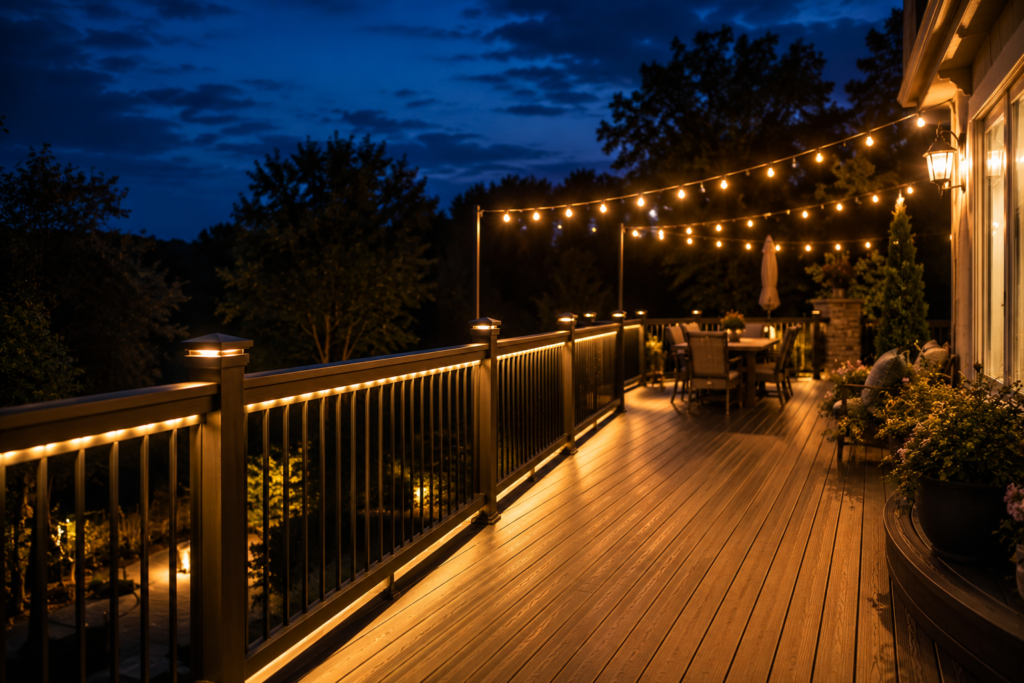
Deck rail lighting, string lights, and low-voltage path lights extend how late you can enjoy your outdoor space and add a resort-style feel after sunset without a huge investment.
9. Define Zones for Dining, Lounging, and Cooking
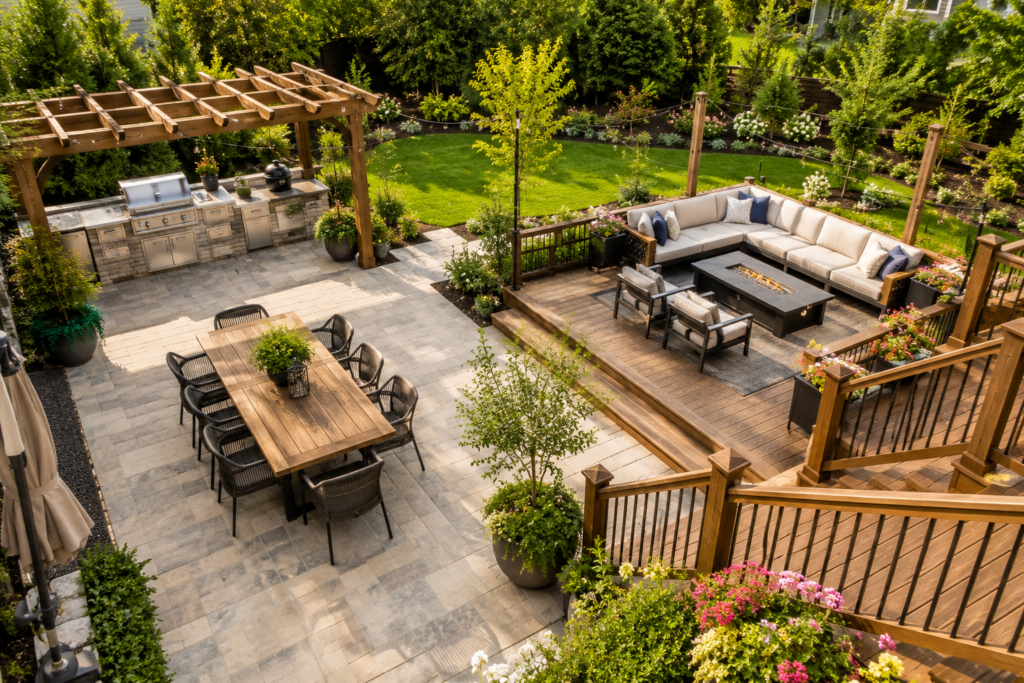
Rather than one open slab, today’s outdoor living trends favor breaking a patio or deck into distinct zones — a dining table near the kitchen door, a lounge area with an outdoor rug and sofa, and a grill station off to the side.
Patio and Deck Maintenance Tips That Save Money Long-Term
A little routine care goes a long way toward avoiding costly repairs down the road:
- Sweep and rinse regularly to prevent dirt and algae buildup, especially in shaded areas
- Reseal wood decking every 1 to 2 years to protect against moisture and UV damage
- Check for loose or rotting boards each spring before heavy summer use begins
- Re-sand paver joints periodically to prevent shifting and weed growth between stones
- Trim nearby plants and trees so moisture and debris don’t collect on the surface
These small habits cost little to nothing and can add years to the life of both wood decks and paver patios.
Outdoor Living Trends Worth Considering
Backyard design has shifted noticeably in recent years, and a few trends are worth keeping in mind if you want your upgrade to feel current rather than dated.
10. Warm, Natural Tones Over Cool Grays
After years of cool gray decking and furniture dominating outdoor design, homeowners are shifting back toward warm browns and natural wood tones that feel timeless rather than trendy.
11. Mixed Materials for Visual Depth
Combining materials — wood decking with stone accents, or pavers paired with metal railings — adds texture and depth that a single-material patio or deck often lacks.
12. Smaller, More Curated Spaces
Not every backyard needs to be sprawling. Many homeowners are prioritizing smaller, well-designed patios and decks that maximize every square foot rather than building large spaces that go underused.
How Much Does a Patio or Deck Upgrade Cost?
Costs vary based on material, size, and whether you’re building new or upgrading an existing structure. A basic paver patio tends to be one of the more affordable options, while composite decking and custom features like pergolas or built-in fire features sit at the higher end. Many homeowners choose to phase their outdoor upgrade — starting with the structure itself, then adding lighting, seating, and shade elements over time as budget allows. According to industry reports, a well-built deck or patio can recoup a significant portion of its cost at resale, making it one of the more practical home improvement investments.
Frequently Asked Questions About Patio and Deck Improvement
Is composite decking worth the extra cost?
For most homeowners, yes. While composite decking costs more upfront than pressure-treated wood, it lasts longer, resists rot and insects, and needs far less annual maintenance — which often makes it cheaper over the lifespan of the deck.
Do I need a permit to build a deck or patio?
In most U.S. cities, a raised deck typically requires a building permit, while a ground-level patio may not, depending on size and local codes. It’s always worth checking with your local building department before starting construction.
How long does a deck or patio project take?
A simple paver patio can often be completed in a few days, while a custom deck with railings, stairs, and lighting may take one to three weeks depending on size and weather conditions. Adding features like a pergola or outdoor kitchen extends the timeline further.
Final Thoughts on Improving Your Patio or Deck
A patio or deck upgrade doesn’t have to mean a total backyard overhaul. Sometimes it’s as simple as adding string lights and a rug to an existing slab, or resealing a wood deck that’s been neglected for a season or two. Other times, it’s worth investing in a full rebuild with composite decking, a pergola, and defined zones for dining and lounging.
Whatever scale you start at, the goal is the same — an outdoor space that gets used, not just looked at. Pick one upgrade from this guide, get it done, and let it change how your family spends time outside.